


Finding a dead goose close to a location where students walk to class every morning is unsettling. It makes a different impression than a carcass by the side of the road or a far-off news article about chicken farms. When dead waterfowl started to show up close to the Iowa State University campus in Ames, wildlife managers quickly became concerned.
This has happened in Iowa before, but not quite like this. In December 2024, the Iowa Department of Natural Resources confirmed that the state had seen a sharp increase in highly pathogenic avian influenza detections in wild birds, primarily north of Interstate 80, following nearly a year of quiet. A hard cold snap that arrived earlier than anticipated and the stress of migration season seem to have been the trigger. Canada geese were among the first to exhibit symptoms; some showed the typical neurological signs of HPAI, such as twisted necks and confused movement, while others just sat motionless and did not try to run away when they were in danger.
It’s worth stopping to consider that final detail. A wild goose isn’t sleeping if it doesn’t take off from a person. It’s ill. This is something that biologists are aware of, and it contributes to how the current state of affairs differs from normal seasonal mortality.
Years ago, the Department of Animal Science at Iowa State University issued advisories identifying migratory waterfowl as possible avian influenza carriers, pointing out that the virus could survive in the environment for weeks, depending on temperature. The pathogen can survive for more than a month at 39 degrees Fahrenheit. That’s a long window, especially during an Iowa winter close to drainage areas and retention ponds that geese visit on and around campus.
According to most accounts, the H5N1 strain that has been circulating since 2022 is the most widespread HPAI event ever documented in wild birds in North America. Over time, what began as a crisis for the poultry industry has evolved into something more. Red foxes and eagles that consumed infected carcasses tested positive. Early in 2026, backyard flocks in southeast Iowa reported cases. The virus does not remain stationary.
The precise mechanism by which the virus continues to spread is still unknown, which contributes to wildlife veterinarians being cautious rather than definitive when speaking in public. Clinical presentation has changed in recent months, according to Dr. Rachel Ruden, the state wildlife veterinarian for the Iowa DNR. Some birds are only showing signs of lethargy, quietness, and groundedness, completely avoiding the dramatic symptoms. This subtlety makes casual human interaction with seemingly peaceful birds more dangerous than it appears, and it also makes detection more difficult for the untrained eye.
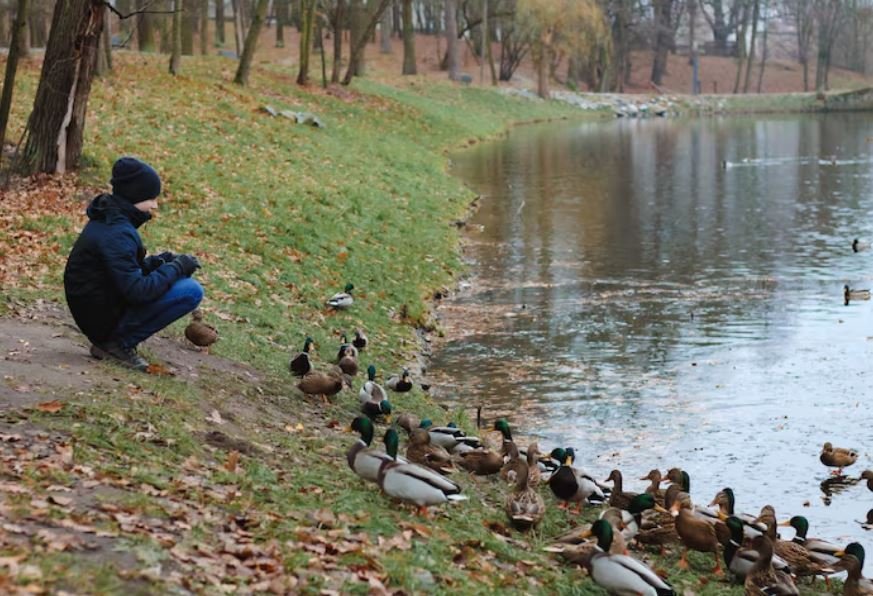
The stakes go beyond campus aesthetics for ISU in particular. Strict biosecurity procedures are necessary for the university’s live poultry research farms. The Animal Science department has long enforced waiting periods for people who have recently traveled abroad, contact restrictions, and equipment sanitation regulations. These procedures are in place for a reason, and an increase in infected wild birds in the surrounding area puts them to the test in ways that internal policy cannot adequately handle.
The DNR’s advice to the public is simple: report clusters of five or more dead flocking birds to local wildlife authorities within a week, avoid approaching sick or dead birds, and do not take them to wildlife rehabilitators. It may seem insignificant, but that final instruction is crucial. Public reporting plays a major role in surveillance, and real-time mapping of the geographic distribution of HPAI in Iowa’s wild bird population is still ongoing.
Bird flu is often viewed as an agricultural problem that threatens egg prices and poultry supply chains. And that’s it. However, the events taking place close to Ames serve as a reminder that the ecological aspect of this outbreak is still unresolved. It’s not unusual for dead waterfowl to appear close to campus. They serve as markers.
