


Along New Jersey’s southernmost point, an almost surreal event occurs each spring. Before heading north to the Arctic, tens of thousands of red knots, tiny, rust-breasted shorebirds that have just flown several thousand miles from South America, land on Cape May’s beaches to feed on horseshoe crab eggs. Birdwatchers travel from all over the world to witness it. It has been studied for decades by scientists. It’s one of those ecological occurrences that highlights how finely tuned the natural world can be. And that calibration is seriously strained at the moment.
There are multiple sources of pressure. The threats are multifaceted and intricate, including declining horseshoe crab populations, habitat loss, and sea level rise. However, a more pressing issue has been quietly developing in Cape May County: a real estate push that is consuming the undeveloped land that locals, conservationists, and migratory birds have long battled to preserve.
Dawn Robinson’s story is a good place to start. In 2003, Robinson, who has lived in Middle Township for more than thirty years, purchased three small land parcels from the township. The lots never seemed like much to anyone because they were landlocked, unbuildable under current zoning, and peacefully located close to her home in the Burleigh area of Cape May County.
Until they did. In order to finish the Indian Trail Redevelopment Project, a 340-unit housing development that is being sold to national builder Ryan Homes for $17 million, Middle Township is now attempting to seize the land through eminent domain. The town doesn’t need Robinson’s parcels.
The personal injustice of her case is not the only thing that makes it hard to reject. It is a reflection of the larger dynamic that is taking place throughout Cape May. Robinson stated quite bluntly that her neighborhood has lacked basic infrastructure for years, including curbs, streetlights, and well-maintained trees. She contended that until there was significant financial risk, the township had little interest in Burleigh. The new development’s homes are anticipated to cost significantly more than $500,000. The town disputes her portrayal, but knowing the background makes the claim seem different.
Anyone who has observed coastal communities negotiate the nexus of capital and conservation will recognize this pattern. For decades, Cape May has been battling this conflict. After fighting for thirty years to preserve the last sizable undeveloped area in Cape May proper, New Jersey paid $19 million to a developer in 2021. That agreement was regarded as a victory for conservation. However, these victories are getting harder to come by, and the pressure never truly stops.
The southern Jersey Shore has seen an increase in the number of out-of-state purchasers. Owners of bed and breakfasts want to make money. There is a documented and actual housing shortage in Cape May County, which is why 340 new units seem like a sensible policy response. On paper, it most likely is. However, the land that those units take is lost. These changes—converting wetlands, narrowing migration corridors, and dividing open fields into cul-de-sacs—are mostly irreversible.
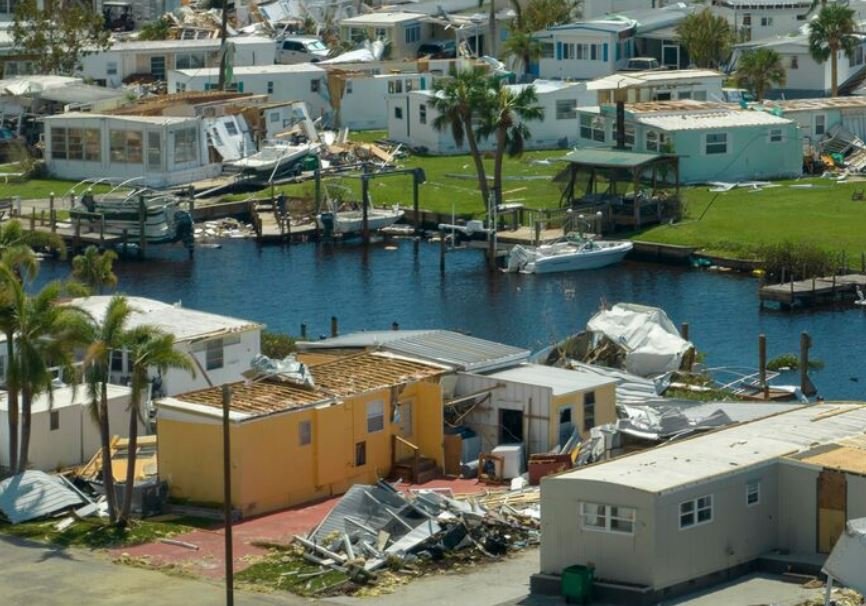
Over the past 20 years, red knot populations have reportedly decreased by 75%, according to David La Puma, director of the Cape May Bird Observatory. In 2014, the species was classified as threatened. The loss of habitat is being accelerated by sea level rise. Many coastal communities in Cape May may experience near-weekly chronic flooding by the middle of the century, according to some projections. With $500,000 townhouses on the ground that might be underwater in 30 years on a peninsula already under pressure from all sides, it’s difficult not to wonder what that means for the very developments being approved today.
People have always desired a piece of Cape May. That’s the exact reason it’s worth defending. As long as the beaches remain intact and the horseshoe crabs continue to lay, the red knots will continue to appear. It remains to be seen if the remainder of the peninsula will be able to withstand this specific period of strain.
