


The way avian influenza spreads is almost unpredictable. When a common teal lifts off a Siberian wetland, no alarm goes off. For a flock of grey herons traveling south through Central Asia, there is no border check. The birds follow ancient routes that have been shaped over thousands of years, going where they have always gone. And the virus moves with them somewhere along the way, either discreetly shed into the water below or tucked away inside a respiratory tract.
That is the main issue that scientists and veterinarians are currently facing: a disease crisis that is caused by the entire architecture of bird migration rather than a single outbreak site.
Over 400,000 dead wild birds have been reported throughout Europe in just the last year. Over 6,400 cases of avian influenza have been reported in member states and partner nations of the European Union, with over 5,600 of those cases involving wild birds. Thirty-four nations have been impacted. These figures are not abstract. They stand for entire wetland communities going silent, gulls discovered collapsed in coastal towns, and swans washed up on lakeshores.
The extent to which this outbreak has persisted and the geographic reach it has attained set it apart from earlier waves. The H5N1 and H5N8 subtypes of highly pathogenic avian influenza are no longer considered a regional emergency. It’s a moving one. And the mechanism that propels it forward is wild bird migration flyways, those enormous invisible highways that extend from Africa through Europe and far into Asia.
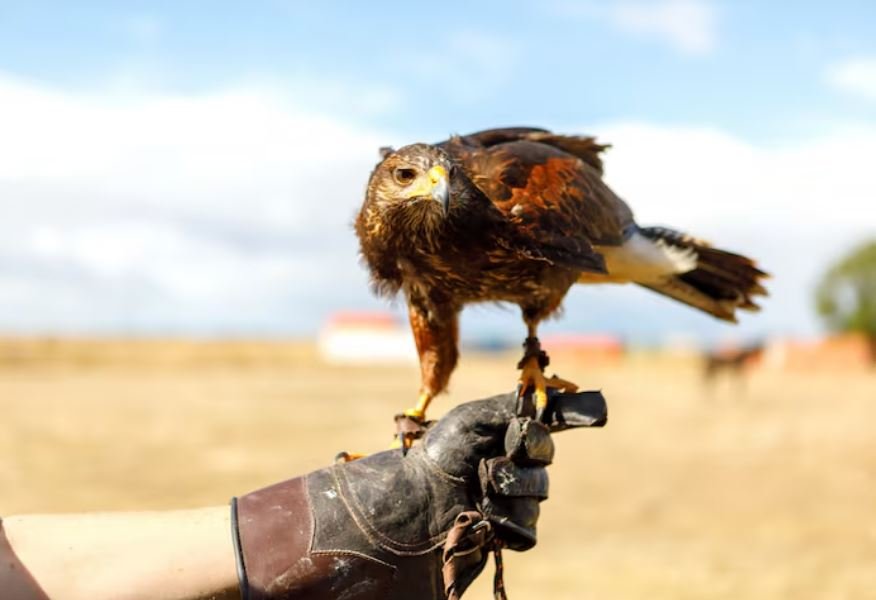
Up to 50 million birds travel through Kazakhstan each year, connecting wintering regions along the Indian Ocean with nesting grounds in Siberia, according to researchers studying the country’s migration patterns. Bird populations from completely different parts of the world have a great deal of opportunity to exchange viruses thanks to that kind of traffic. The influenza viruses carried by birds from Southeast Asia, Europe, and North Africa can mix, reassort, and possibly create something new when they are in the same temporary wetland. It’s the type of biological event that doesn’t make an announcement. It simply occurs at a rest stop in the middle of nowhere before taking off.
The transition from wild birds to domestic poultry is the point at which the economy collapses. The virus is released by infected birds in their respiratory secretions and excrement. Exposure turns into an outbreak when farm biosecurity is inadequate, which is frequently the case, particularly on smaller holdings where open access to water sources is typical. As recently as May 2026, the American Veterinary Medical Association reported that HPAI outbreaks on American farms are still fueled by wild bird migration, and experts are actively advocating for improved habitat management as a workable preventative measure.
Here, there is a more general pattern that is worth observing. More than half of all migratory bird species are currently declining across all major flyways on Earth, according to a significant global review that was just released a few days ago. The typical grinding pressures include pesticide exposure, habitat loss, and climate change. It’s really unclear what that means for the dynamics of avian flu. There may be more interaction between species that wouldn’t otherwise mix if fewer birds are gathered in fewer suitable wetlands. Alternatively, birds may be forced into new regions where domestic poultry have never seen them before due to irregular migration timing. There is still much to learn about the connection between ecological stress and disease spillover.
The virus itself is incompatible with bureaucratic preparation cycles and human timelines. H5N1 changes. It mixes with other strains of influenza. There are currently 25 countries where human infections have been documented, and the mortality rate in confirmed cases has historically been higher than 50%. That figure ought to be stated clearly more frequently than it is.
Real-time monitoring at flyway chokepoints, quick sample analysis from important species, and international collaboration that treats a sick bird in one country as a signal relevant to countries three flyways away are all necessary for this crisis. To be honest, I don’t think that infrastructure currently exists in sufficient form. The birds don’t wait for coordination of policies. When the season demands it, they depart. Thus, the spillover persists, as silent as dawn’s wingbeats.
