


Something quiet is taking place in Angeles City along the Abacan River. Every season, migratory shorebirds and egrets still arrive, traveling through the same unseen passageways in the sky that their forefathers discovered centuries ago. Without consulting anyone’s land-use plan, they descend into Central Luzon in the same way that birds have always done. However, what they discover on the ground has undergone significant change.
The sale, trade, capture, and consumption of migratory birds visiting the Abacan River are strictly forbidden, according to a public advisory issued by the Angeles City Government in recent months. Along with the environmental resources office and the disaster risk management office, the city health office also released water quality results that were extremely concerning.
Elevated ammonia, phosphate, and biochemical oxygen demand readings well above safe thresholds in the river’s contamination levels clearly indicated the type of runoff that results from intensive land use. The pattern would be obvious to anyone who has spent time in the Philippines’ intensive agricultural zones.
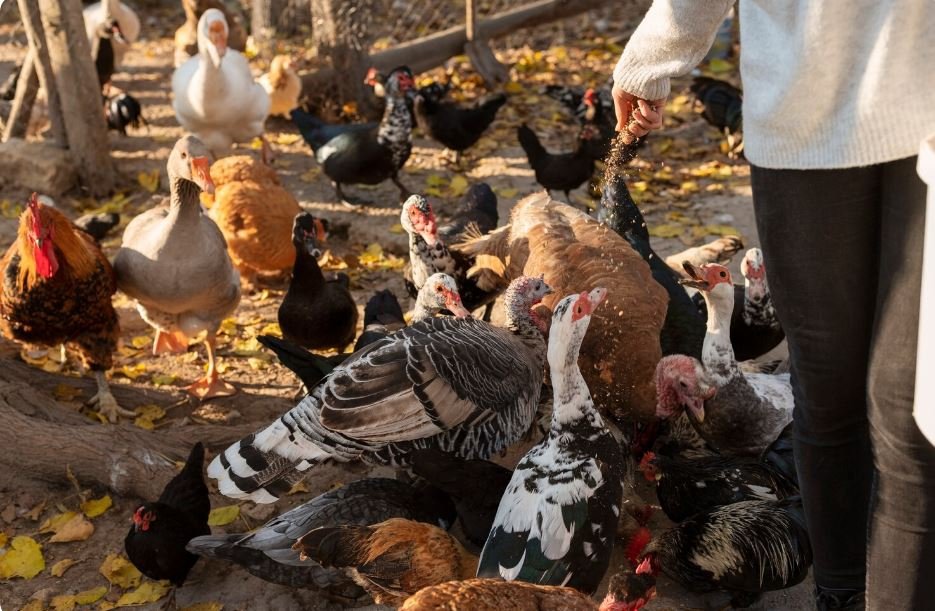
Poultry farming is integral to the economy of Central Luzon, which has long been one of the nation’s most productive agricultural areas. Pampanga, Bulacan, and Nueva Ecija are home to a number of broiler operations and layer farms that supply hundreds of millions of chickens to the domestic market each year. It is not a quiet production scale. It creates habitat pressure, waste streams, and antibiotic runoff that radiate outward from the farm gate in ways that are genuinely hard to quantify.
Every year, millions of migratory birds travel through the Philippine archipelago via the East Asian-Australasian Flyway. They are directly in the path of Central Luzon. Here, wetlands, river corridors, and rice paddies are vital resting and feeding locations for species that travel between breeding grounds in Siberia and Northeast Asia and wintering regions in Southeast Asia and Australia. These are not unintentional guests. Within a thousand kilometers, some of them have no other practical stopover options.
The Wildlife Resources Conservation and Protection Act, Republic Act No. 9147, prohibits the unapproved collection, hunting, and trading of wildlife species, including migratory birds. Violators risk jail time and fines. There is a law, and it is enforced—at least occasionally. Less is known about how consistently it applies to the indirect pressures that agriculture puts on the same ecosystems, such as habitat conversion, water quality degradation, and disturbances that don’t actually involve bird capture.
Discussions surrounding this matter seem to indicate that the economic reality and the regulatory framework have not yet caught up. Emerging DILG guidelines are encouraging local government entities to monitor and control commercial activities that impact wildlife corridors. That’s a significant movement. However, in rural Pampanga, there can be a big difference between encouraging LGUs to regulate and actually providing them with the technical means to do so.
The fact that Central Luzon’s situation is not truly an exception makes it worth closely observing. It’s more of an illustration. The Mekong Delta, portions of Java, and coastal Myanmar are just a few examples of Southeast Asia’s recurring pattern of rapid agricultural intensification pressing against protected wildlife corridors. The distinction here is that Philippine law genuinely has the legal framework to deal with it. It is still unclear if there is the political will to enforce it consistently.
Regardless, the birds will be back next season. There is no other path available to them. Whether they are prepared or not, commercial farmers, city health offices, and conservation advocates in Central Luzon will need to come to a consensus on whether the ecosystems they rely on will continue to sustain them once they arrive.
