


There’s a good chance the barn is quieter than it should be if you walk by a commercial poultry farm in the Midwest of the United States right now. The birds have vanished, not because production has slowed. Culled. Millions of them were eliminated in order to prevent the spread of a virus that requires little stimulation. Since late 2020, the H5N1 strain of avian influenza has been spreading through domestic flocks and wild bird populations, expanding its reach in ways that most biosecurity planners weren’t fully anticipating five years ago.
The figures are startling but not yet catastrophic. There have been at least 14 confirmed human cases in the US since early 2024, all of which have been linked to close contact with farm animals; no fatalities have been reported. That seems doable. However, virologists do not use the current number of cases to gauge risk. Another thing they’re keeping an eye on is the number of species this virus has already infected. Dairy cattle, which were not on anyone’s short-term concern list two years ago, are among the roughly 20 mammal species that are currently infected. The math starts to change when a respiratory virus starts to find new hosts that are near humans.
It’s important to keep in mind what the early stages of the 1918 influenza pandemic actually looked like: a wave of respiratory illness that appeared, for a short while, to be localized and survivable. Throughout the 20th century, three pandemics occurred. Only 1918 turned disastrous, killing between 20 and 50 million people globally. Researchers studying H5N1 don’t think it will take the same course. However, they won’t guarantee it won’t. The whole issue is that uncertainty.
The current outbreak is actually illuminating a more structural issue. The early-warning system, which some researchers refer to as the surveillance infrastructure for identifying viral mutations in animals, is still underfunded and uneven across nations. Animal viruses can now be genetically sequenced more quickly and accurately, providing real-time windows into the pathogen’s evolution. However, the science lags behind the ability to act on that data and actually contain spillover before it grows into something bigger. There’s a feeling that while we continue to improve warning systems, the fire station is only partially staffed.
A version of this lesson was already taught by COVID-19. It revealed weaknesses in protective equipment supply chains, showed how quickly health systems could become overburdened, and illustrated—sometimes painfully—that international coordination on pandemic response is more difficult in practice than on paper.
Public health researchers have noted that one important lesson from that era is that pandemic prevention cannot be viewed as a wealthy-nation issue. Passport lines are not checked by the virus. Eventually, outbreaks in areas with limited resources and weak containment capabilities become everyone’s problem.
The farm is essentially the first line of defense when it comes to avian influenza because the animal-to-human transmission route is still the most common. The groups most immediately at risk are those who work with poultry, veterinarians, and people who come into contact with contaminated environments or infected birds. Flu-like symptoms and eye infections have been reported in mild human cases. In severe cases, respiratory failure and pneumonia may develop. A person’s speed of identification and treatment is one of many factors that determine the difference between those two outcomes.
Whether H5N1 will develop the mutations required for effective interpersonal transmission is still unknown. The main issue guiding the preparedness discussion is that possibility, even though it is genuinely uncertain. The virus has already demonstrated its ability to adapt, entering new species with an unsettling ease. There is a subtle tension that permeates every epidemiological briefing as people watch that unfold in real time while the public mostly focuses on other things.
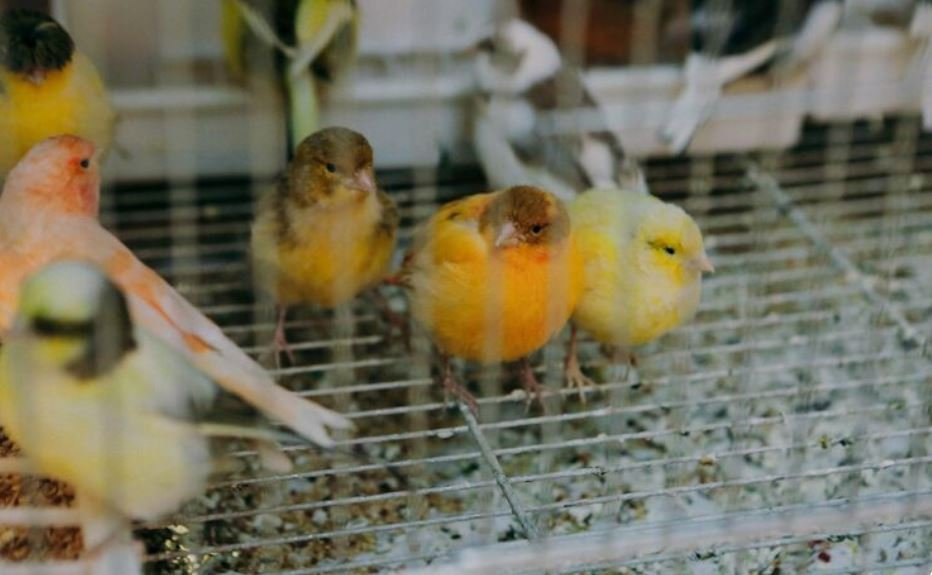
Panic is not the lesson to be learned from the current surge. There is pressure to take a manageable warning seriously before it becomes unmanageable. The barn’s canary is still alive. Whether anyone is listening to it is the question.
