


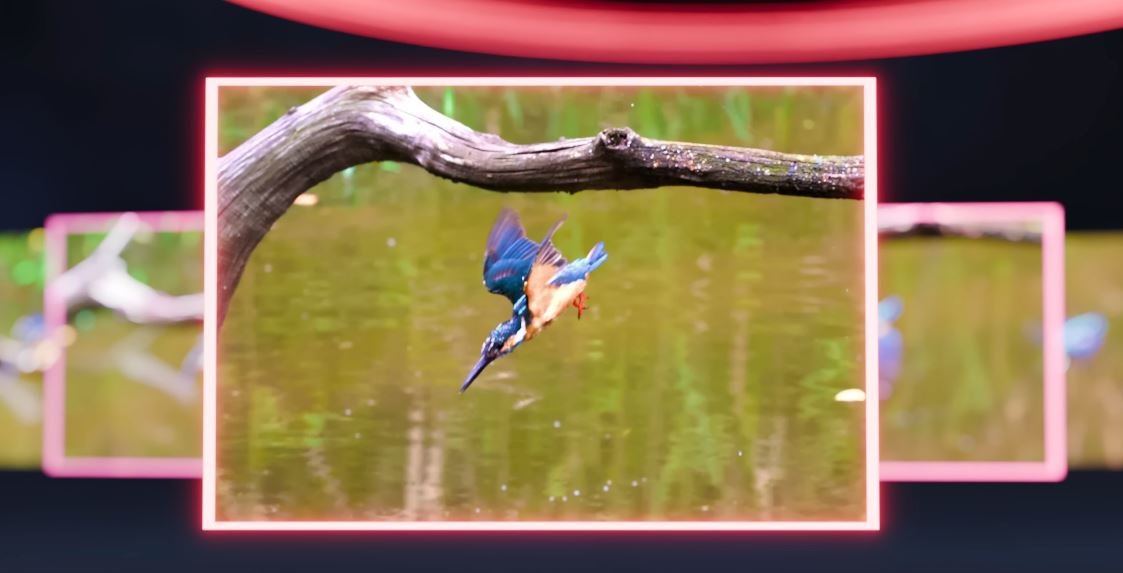
No spec sheet can duplicate a certain type of test. When a bird is moving faster than your hands can follow and the light is acting strangely at six in the morning, everything you know about a camera is reduced to one straightforward question: did it get the shot? In situations that would humble more expensive equipment, the Canon EOS R6 Mark III has been silently passing that test, trip after trip.
Professional photographer Kimberley Lane has made no secret of her position on the Mark III. She has covered wildlife and low-light situations extensively. She highlights its high ISO handling and low-light autofocus as particularly noteworthy features. This is the kind of performance that counts when you’re tracking a fast-moving animal in dim light or shooting an hour before sunrise in a forest. These characteristics don’t appear clearly in a side-by-side comparison chart. When the alternatives begin to fall short, you sense them.
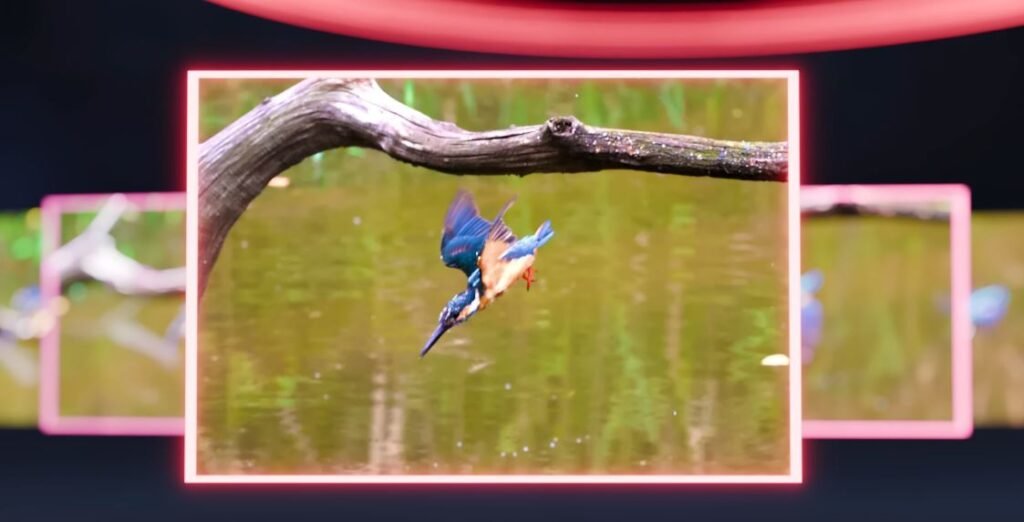
The camera’s 32.5-megapixel full-frame sensor represents a significant improvement over its predecessor without going into the realm of cumbersome file sizes. In electronic burst mode, it can shoot up to 40 frames per second, which may seem impressive, but when you’re in the field, you’ll see how quickly even that ceiling is reached when something moves erratically. Based on Canon’s most recent autofocus architecture, the subject tracking locks on and holds with a consistency that, to be honest, still seems a little unexpected at first.
There isn’t just one feature that sets this body apart from the many competent mirrorless cameras. The feeling that it was created by individuals who actually shoot in challenging environments is more difficult to measure. With an 8.5 stop rating for in-body image stabilization, handheld shooting is now possible in scenarios that previously required a tripod. Photographers of wildlife who use long focal lengths in dim light will know why that is important.
The Mark III is in the center of a larger change that is currently taking place in professional wildlife photography. Photographers are discovering that a single, properly calibrated body can cover both speed and resolution, replacing the need for two distinct bodies. Although it’s still unclear if this convergence will continue at the very top of the market, it’s getting harder to ignore the case for working photographers who require a single, dependable tool for a variety of settings.
Nevertheless, the Mark III isn’t attempting to satisfy every need. It is positioned below Canon’s R5 Mark II in the lineup, and seasoned shooters will occasionally feel the ceiling, especially when chasing the final fractional stop of dynamic range in a challenging scene or when heavily cropping at long distances. These are not made-up limitations; they are actual ones. In all honesty, this camera does not pretend to replace a flagship, but it does earn its price and more.
Kimberley Lane’s analysis consistently focuses on trust, which is more essential than specifications. Field photography puts you in situations where you don’t get another chance, where the subject won’t come back and the light lasts only thirty seconds. During those times, your technique incorporates your confidence in your equipment. Photographers who frequently use the Canon EOS R6 Mark III in wilderness settings say it has performed well enough to earn that trust. That’s a big deal. It may be the most important factor in this market.
