


The clarity of Jay Batongbacal’s stance is almost unsettling. This University of the Philippines law professor keeps bringing up an idea that seems almost too reasonable: shared marine sanctuaries in one of the most disputed waterways in the world. The dispute has resulted in decades of diplomatic noise, artificial islands, coast guard confrontations, and legal rulings that China simply ignored.
Before discounting this as academic idealism, it is worthwhile to consider Batongbacal’s true identity. In the Benham Rise Region, he assisted the Philippines in pursuing its claim to the continental shelf. He is listed as one of UNESCO’s special arbitration experts under UNCLOS. He helped construct the legal framework for the arbitration case Philippines v. China, which resulted in a 2016 decision that largely favored Manila and that Beijing has been refusing to acknowledge for years. This person is familiar with the more difficult aspects of geopolitics.
However, there is a recurring theme that runs beneath the legal and jurisdictional arguments when viewing his 2017 TEDx talk and reading his analysis via the Asia Maritime Transparency Initiative. Batongbacal appears to genuinely believe that confrontation is not the only way to manage the South China Sea corridor. He has maintained that the sea unites nations more than it divides them, and the very actors engaged in conflict over it are physically destroying that bond.
From about 2014 onward, Batongbacal thoroughly documented and examined China’s land reclamation activities, which raised more than just legal and political issues. He referred to the conversion of coral atolls into military installations as “environmental aggression”—a term that seems hyperbolic when you compare satellite photos of Johnson South Reef before and after. He pointed out that the biophysical damage goes far beyond the boundaries of any single building. Nine-dash lines are not recognized by coral ecosystems.
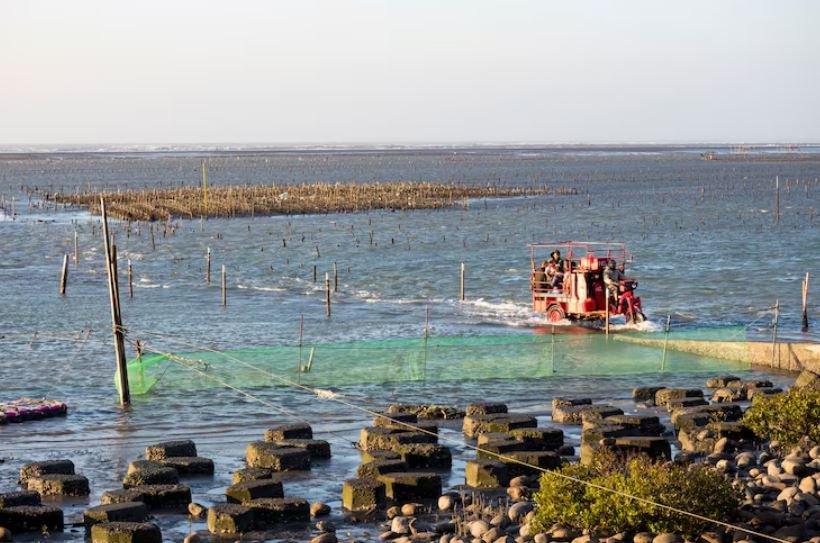
This may be the point at which the shared sanctuaries argument is strongest. In the language of a shared resource that is clearly vanishing, rather than in the language of rights and sovereignty, where each side has dug in for decades. Hundreds of millions of people in Southeast Asia depend on the South China Sea for their food security. China and the Philippines do not own fish stocks. They are in motion. They run out. Furthermore, they require intentional, concerted effort to recover.
Reading through Batongbacal’s body of work gives the impression that he has come to terms with the limitations of legal remedies. The arbitration award from 2016 was noteworthy. Practically speaking, it was also not very enforceable. China did not take part. China refused to comply. The decision made the legal landscape more clear, and maybe that clarity is what allows for a different kind of discussion.
It’s genuinely unclear if regional governments are prepared for that discussion. Batongbacal viewed a 2018 memorandum on joint oil and gas development with apparent skepticism. The Philippines and China have alternated between periods of conflict and attempts at cooperation. There were few details. The politics were intricate. The discussion came to a standstill. Anyone who has been closely following this dispute will not be surprised by any of that.
The corridor itself, which carries about one-third of the world’s maritime trade, sits atop substantial energy reserves, and is home to one of the planet’s most biodiverse marine environments, is what’s left. It’s difficult to ignore the fact that the countries engaged in the most intense power struggles are also in the best position to destroy the very things that make it worthwhile to control in the first place. It appears that Batongbacal has also observed this. It’s another matter entirely whether anyone in a position of authority is paying attention.
