


In the Philippines, there is a certain type of location that doesn’t make an impression. It is not required to. One of those locations is Taboc, a barangay nestled into the municipality of San Juan in La Union province. It is peacefully situated along Luzon’s northern coastline, just far enough from the bustle of Urbiztondo to feel like a different world, but close enough that it takes less than twenty minutes to get there.
The majority of people who visit Taboc do so by accident. On a bad day at Beach Break, a surfer searches for cleaner waves. A family wants to visit the beach without the weekend crowds. Someone who abruptly found themselves staring at the West Philippine Sea after making a wrong turn and had no particular reason to leave.
With a population of 2,988 according to the 2020 census, the barangay, which is located approximately 4.5 meters above sea level—almost at the waterline—tells the tale of a community that has been expanding steadily for thirty years. This stretch of coastline had fewer than 2,000 residents in 1990. Somehow, that steady, slow growth seems intentional, natural rather than forced.
For those who are interested in Philippine craft traditions, Taboc’s pottery heritage is arguably its most obscure reputation. For many generations, the Taboc Mannamili Association in San Juan has practiced the art of clay work, creating items that are far more than just tourist mementos. That tradition has a dignity that sticks with you even though it doesn’t look good on camera. The barangay’s families have centered their livelihoods around it, shaping clay into something useful, cultural, and intimate all at once. The majority of Filipinos may not be familiar with it outside of the province. It seems like a lost chance.
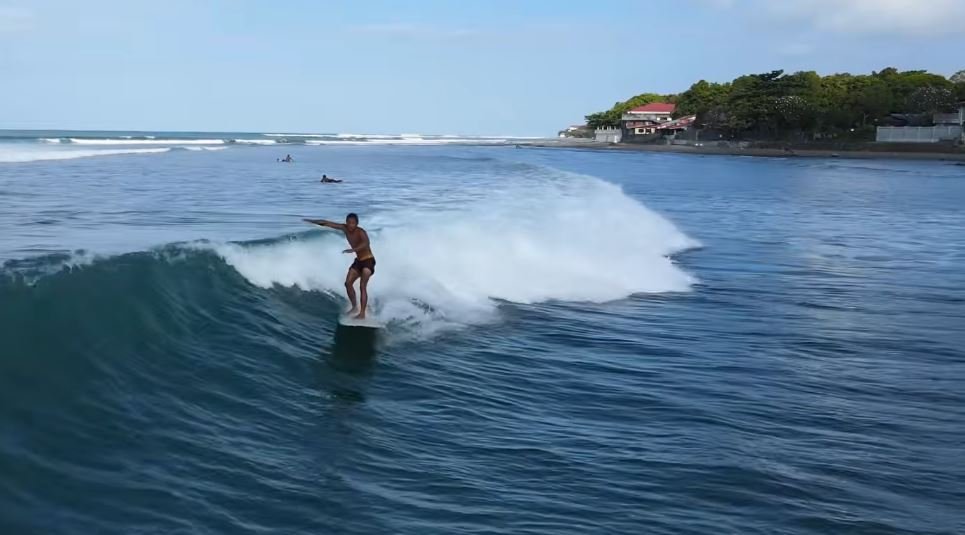
The surf comes next. Board riders who are sick of fighting for space in Urbiztondo are drawn to Taboc’s shoreline. On days when Beach Break closes, the waves here typically run cleaner, with less white wash, better shape, and a lineup that doesn’t feel like a rush-hour commute. Locals are aware of this. Eventually, visiting surfers figure it out. On the right day, a session here can go over two hours without anyone realizing it.
Something else has been going on along what some refer to as the Taboc strip in recent years. There’s a feeling that the coastal stretch is gradually filling in as new businesses like camps, coffee shops, and lodging options have opened. The Mansion La Union, Camp Avenue, an expanding collection of dining and lodging options. It hasn’t completely changed yet. Taboc still has the vibe of a rural area that is still undecided about tourism. However, it’s difficult to ignore the warning signs.
Walking or driving along that coastal road gives you the impression that Taboc is at one of those quiet turning points, somewhere in the middle where the original character is still intact but the momentum is obviously increasing.
For the time being, it continues to be the kind of location that rewards the inquisitive tourist who is prepared to travel a few kilometers past the obvious stop. A community of just under 3,000 people who have lived next to this specific stretch of sea long enough to understand its moods hold the barangay together, allowing pottery, surf culture, and a burgeoning culinary scene to coexist peacefully. To be honest, it’s unclear if that balance will remain as more people come here.
