


Now, when wildlife veterinarians discuss H5N1, they describe a specific kind of dread. The fear of witnessing a coastline gradually go silent is more subdued than the terrifying, media-grabbing panic of a chicken barn outbreak. The sky has fewer shapes. fewer nests in use. There are fewer birds returning in the spring to locations they have visited for decades.
Coastal raptors, such as ospreys, eagles, falcons, and sea-hunting hawks, are particularly affected by the silence that is building up along coastlines worldwide. These birds are at the top of their respective ecosystems and have no commercial value to protect them from this crisis. They’re not being vaccinated. Their emergency response plans are not being filed by anyone. Furthermore, they are frequently not counted until they have passed away.
Since 2021, scientists who had dedicated their careers to studying influenza in wild birds have been genuinely surprised by the behavior of the H5N1 strain that is currently circulating worldwide. Bird flu viruses have always circulated among populations of waterfowl, such as ducks, geese, and shorebirds, with little apparent harm.
The virus was carried by wild birds, who seldom appeared to die in large numbers from it. That presumption is no longer true. Even seasoned researchers are shocked by how effectively this strain kills. In about six months, a single outbreak at Northern Gannet colonies in Canada killed over 25,000 birds. Suddenly, hundreds of species that had no discernible history of extinction were washing up on beaches.
Because of their living conditions and diet, coastal raptors are particularly vulnerable to current events. An osprey that hunts along a coastline where diseased seabirds are perishing can contract the virus by coming into contact with sick animals, scavenging, or the fish it catches. They are not isolated from the outbreak. They are residing within it. Furthermore, there is no financial incentive for anyone to systematically monitor raptors or take drastic action when they begin to disappear, in contrast to the farmed chickens and turkeys that dominate public discourse regarding avian influenza.
When H5 bird flu struck Australia’s mainland in June 2026, the last continent to be affected, Wayne Boardman, a wildlife veterinarian at Adelaide University, made this issue very evident. He was not only concerned about sea lions and poultry. He specifically identified coastal raptors as a group that could be seriously threatened, especially those that are already under stress due to habitat loss or fragmented populations. Wildlife scientists have been observing this trend for years in North America, Europe, South America, and now the Pacific, and it usually shows up only after the damage has been done.
Geography is one of the reasons this is so challenging to follow. Raptors nest in areas that are difficult to routinely survey, such as cliffsides, coastal scrub, and estuaries. Because of the surrounding infrastructure, financial stakes, and regulatory requirements, when a broiler operation loses birds to the flu, the loss is recorded right away. It takes seasons to confirm, longer to contextualize, and even longer to definitively link a pair of ospreys’ failure to return to a coastal nest in Maine, Wales, or New South Wales to illness. The monitoring systems intended to detect the virus are outpaced by the virus’s speed.
Researchers believe that the public’s perception of the outbreak’s victims has been largely influenced by agricultural losses and, more recently, worries about the possibility of human spillover. They are both valid. However, the raptors, seabirds, and marine mammals that perish in areas that are inaccessible to cameras represent a type of ecological bleeding that is minimized in part because it is difficult to measure and in part because it does not neatly fit into the response frameworks that are currently in place. The magnitude of what has already occurred is still beyond the reach of science. Over 400 wild bird species worldwide are thought to have contracted the infection. In particular, the raptor data is still sadly lacking.
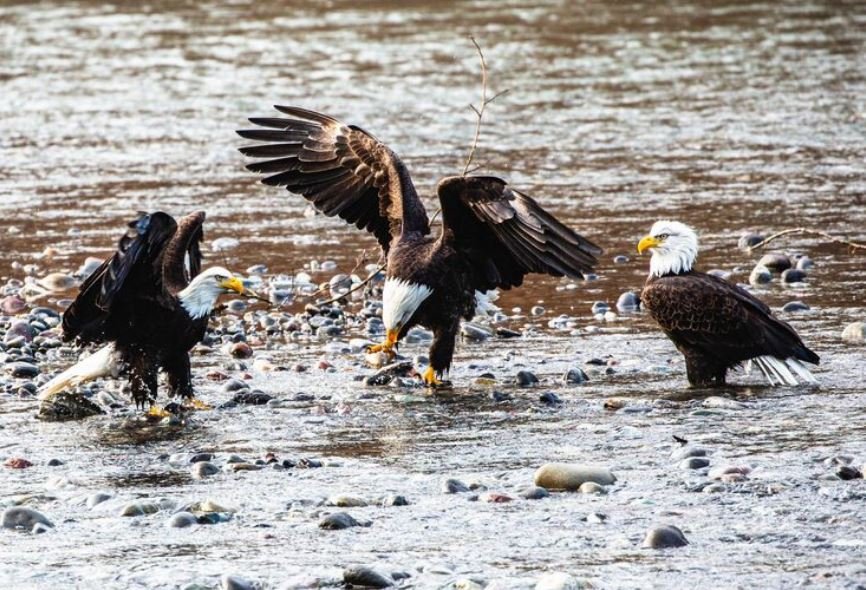
It is evident that these birds take a long time to recover. Raptors have few young each season and take a long time to mature. Under perfect circumstances, a pair of bald eagles raises one or two young annually. The math of recovery quickly becomes dire when a disease event eliminates breeding adults from a coastal population or kills juveniles before they reach reproductive age. The populations that wildlife conservationists worked for decades to restore after pesticide contamination almost wiped them out in the 20th century are now under pressure from a different source, and the systems put in place to keep them safe were not intended to withstand a pandemic virus.
How much of the damage has already been done is still unknown; how many breeding pairs have disappeared, and how many population recoveries have been subtly delayed by years or decades. The birds do not wait for the monitoring reports, that much is certain. In spring, they are either present or they are not.
