


The fact that one of the most significant ecological changes in contemporary Britain took place outside the kitchen window rather than in a nature reserve or rewilding project is subtly amazing. A feeder for peanuts. A mealworm tray. Before the coffee was even made, a wooden box on a garden post was refilled on chilly mornings. Millions of British homes resorted to this little ritual during lockdown, and it’s still unclear what happened next.
The COVID-19 pandemic caused a sharp increase in interest in bird feeding. Within two weeks of the start of the lockdown, searches for terms like “bird feeder” and “bird food” sharply increased, according to researchers monitoring Google search data across more than 100 countries. This was also the case in Britain, which is already among the countries that feed birds the most enthusiastically. If anything, this surge was especially telling because it was on top of a long-standing habit that had been subtly changing the countryside for decades.
For decades, the British Trust for Ornithology has been collecting data on garden birds, and the results are truly remarkable. What birds find in the wild has not been supplemented by feeding. It has affected which species flourish, where they settle, and, in certain situations, how their bodies and behaviors have evolved over time. The most frequently mentioned example is probably the blackcap warbler, a bird that used to winter in Africa but is increasingly choosing to overwinter in Britain due in part to the consistent supply of food in suburban gardens. That is not a minor issue. Millions of people putting fat balls outside on chilly mornings are pushing evolution along.
This story gained scale and intensity during the pandemic. Bird feeders were purchased by people who had never owned one. Individuals who were already using feeders began to pay attention in ways they had not previously. During those months, there seems to have been a change in the way people interact with garden wildlife—it became less passive and more intentional.
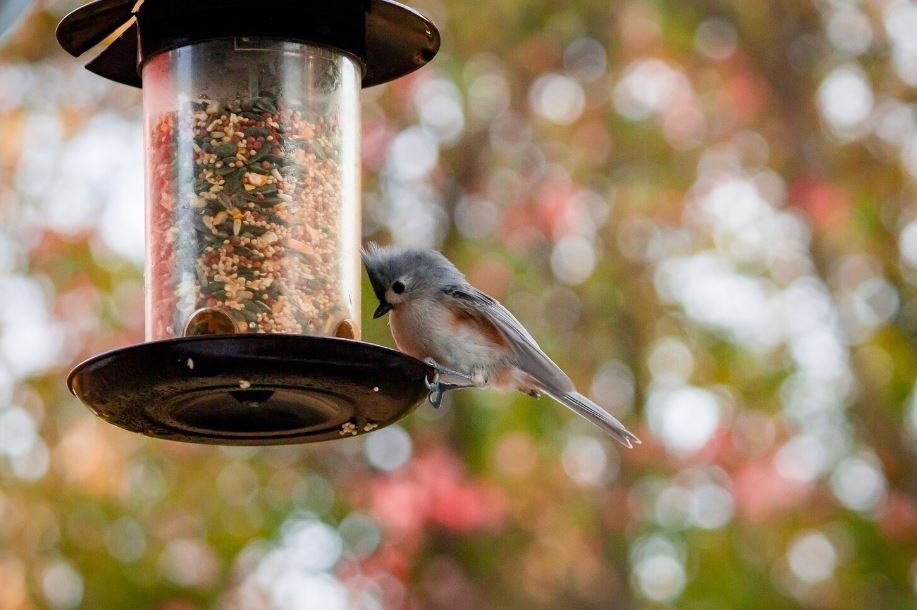
For many, spending time observing birds became more of an anchor than a background pastime. Even brief exposure to birds and their song can reduce stress and elevate mood, according to years of research on wellbeing and nature contact. During the lockdown, people stopped reading about that discovery and started living it.
It would be simple to present this as just positive news, and for the most part, it is. Ecologists, however, are more circumspect, and with good reason. Not all birds benefit equally, according to the same long-term research that shows which species have prospered. Blue tits, great tits, robins, and goldfinches are among the species that have benefited in the long run from their ability to adapt to feeders. Others haven’t kept up because they aren’t as motivated or capable of taking advantage of garden food. Artificially enriching one area of an ecosystem has repercussions that aren’t always apparent from the window.
Additionally, there are more pressing issues. Disease spreads more readily in the vicinity of feeders, especially if they aren’t cleaned frequently. Bread, kitchen scraps, and incorrect seed mixes are examples of poor food choices that can negatively impact birds’ nutrition in ways that may appear beneficial but actually cause harm. The impulse to feed is generally a good thing, but it comes with a responsibility that most people were just unaware of, as the researchers who examined the pandemic surge were careful to note.
The most intriguing aspect of the post-pandemic period may be that Britain appears to have genuinely maintained at least some of the increased awareness that lockdown brought. The popularity of birdwatching has persisted long after 2020. The number of downloads for bird-song identification apps was enormous. During lockdown, garden feeders that were impulsively purchased turned into long-term fixtures. It’s still unclear if this results in better, more environmentally conscious eating practices; it’s possible that enthusiasm outpaced knowledge, which wouldn’t be shocking.
For forty years, Britain has been feeding its garden birds on a large scale. That story was not initiated by the pandemic, but it was accelerated and deepened by it. The research now paints a picture of a nation that has, mostly unintentionally, transformed its suburban gardens into a distributed ecological experiment. All along, the birds have been adjusting to it. The holders of the seed bags might need to catch up.
