


Before you can identify it, something feels a little strange when you drive through central Illinois in early June. With corn everywhere, no weeds, no wild edges, and hardly a fence post, the fields are incredibly neat. It appears to be productive. Effective. Nearly surgical. However, when you exit the vehicle and remain motionless for a minute, you are struck by the silence. Not quiet and serene. Quiet and empty.
There is now a number for that absence. North America has lost about three billion birds since 1970. Additionally, a study that was published earlier this year in the journal Science discovered something more disturbing than the raw count: the losses aren’t just continuing. The study used data from the Breeding Bird Survey collected over a thousand fixed routes over the course of 50 years. They are accelerating in many areas of the nation.
Between 1987 and 2021, 261 bird species were monitored by the study, which was headed by Ohio State University postdoctoral ecologist François Leroy. Over that time, bird populations decreased by 15% on average. Significant declines were observed in nearly half of the species examined. However, the rate of change was more important to Leroy’s team than its direction. Were things deteriorating more quickly? The answer was unmistakably yes in the Midwest, California, and portions of the Mid-Atlantic.
Intensive agriculture is a clear commonality among those areas. A pattern became apparent when the bird data was layered against indicators such as fertilizer use, pesticide application, and cropland coverage. Not only were areas with more agricultural activity declining, but they were also accelerating. Every year that went by brought more losses than the one before it.
Here, caution is advised, just as it was for the researchers. This is not a controlled experiment; rather, it is a correlative study. Instead of a proven mechanism, Leroy’s team discovered a connection. However, the connection is difficult to ignore, particularly when you take into account the true effects of industrial farming on a landscape. Herbicides eradicate weeds.
Insects are killed by pesticides. The vast single-crop plantings known as monocultures, which now make up a large portion of the American interior, deprive most bird species of the variety of habitats they require for nesting, foraging, and raising young. What’s left is essentially a wildlife food desert that appears to be abundant.
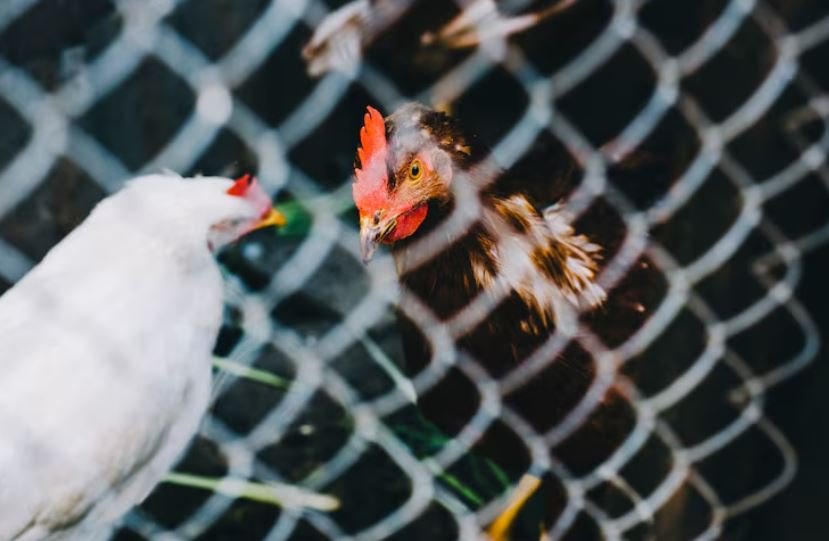
Birds that were never thought to be vulnerable have seen some of the most dramatic declines. The European starling, the common grackle, and the red-winged blackbird are examples of generalists. Tough and adaptable, this species has adapted to live in environments that have been altered by humans. If even they are going extinct more quickly than before, there may be more systemic issues at play than the habitat loss of a few delicate specialists. In an interview with the Associated Press, Cornell emeritus conservation scientist Ken Rosenberg stated unequivocally that when these resilient birds are unable to survive, the environment sending that signal is probably “also toxic to humans and all other life.”
Additionally, there is a compounding factor that is sometimes overlooked. With fewer trees, less shade, and more exposed soil, agricultural land in the Midwest typically warms more quickly than natural landscapes. According to the study, agricultural intensity and temperature change may exacerbate one another, putting additional strain on already vulnerable bird populations. Climate stress enters ecosystems that have already been compromised by intensive farming; it does not function in a vacuum.
Birds are more than just visually and auditorily pleasing. They disperse seeds, regulate insects, including disease-carrying mosquitoes, and cycle nutrients through the soil. Grackles consume grasshoppers and beetles. Swallows catch flies in midair. The services these populations offer discreetly disappear along with them. Ironically, farms rely on the very ecological relationships that their operations are upsetting.
All of this does not imply that farming must end. However, it does pose an important question: what precisely have we produced when the fields go silent?
