


When most people see a certain picture for the first time, it stops them cold. The men who stole the massive, motionless dead silverback gorilla were carrying him out of the Congo forest on an improvised stretcher. It resembles a funeral procession. An international agreement to save critically endangered gorillas was signed within three months of that picture going viral. Just one frame. One result that had not been achieved through years of policy papers and reports.
This is the peculiar, unique power that raw wildlife photography possesses, and it’s a power that feels more and more threatened at the moment.
Recently, conservationist and wildlife photographer Robert Irwin made a statement that seemed to surprise people because it was so obviously true. He noted that it is now genuinely challenging to determine what is real in wildlife imagery due to generative AI. “We don’t realize that what is real — and that’s more amazing ’cause it’s real,” he said. The remark quickly gained traction. People nodded along on TikTok and Reddit. In the words of one person, wildlife photography has become less appealing because you’re constantly questioning whether it’s real.
That uncertainty is not insignificant. The whole emotional agreement between a photograph and its observer is subtly destroyed by it.
Over 42,000 species are currently listed as endangered by the International Union for Conservation of Nature. In 2011, the Western Black Rhino vanished. 2020’s Magnificent Poison Frog. According to the fossil record, mammals should become extinct at a rate of about one species every thousand years. Now, the pace is completely different. Looking at these figures honestly gives the impression that public awareness is not keeping up with the urgency, and part of that failure can be attributed to a media landscape that is increasingly overrun with unverifiable images.
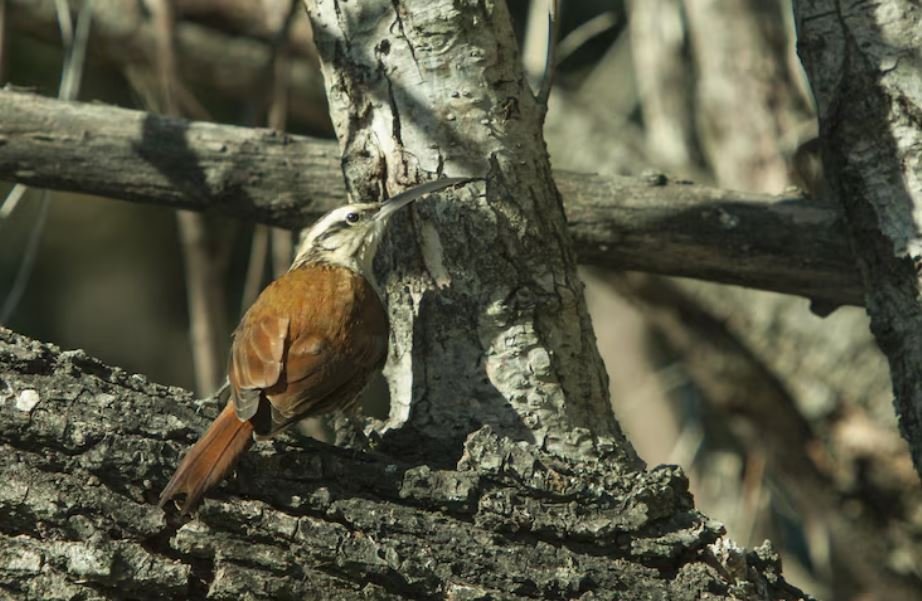
This gap has traditionally been filled by genuine, unprocessed wildlife photography. Consumer behavior changed when photographers captured turtles entangled in six-pack rings and seabirds choked with plastic. People experienced an emotion that statistics could not match when Nick Brandt positioned massive portraits of displaced African wildlife against the backdrop of human development encroaching on their land. There was more than just admiration when Joel Sartore started his Photo Ark project, which features close-up studio portraits of animals in zoos and sanctuaries, some of which are the last of their kind. Grief was followed by action.
Photography is effective because it gives specificity to abstract concepts like habitat loss, poaching networks, and biodiversity collapse. Just one animal. Just a moment.
One loss that seems intimate. A significant portion of the Bengal tiger’s survival can be attributed to the decades of photographs that captured people’s affection for the species before legislation ever caught up. Once essentially unknown outside of scientific circles, the camera played a major role in bringing the pangolin to the attention of the world. Laws were enacted. The image, emotion, and action sequence is brittle. The viewer’s ability to believe what they are seeing is crucial.
The extent to which trust will deteriorate is still unknown. However, the initial indications are not promising. Something has already been lost when people scroll past a gorgeous picture of a snow leopard and wonder if it was created by artificial intelligence. The picture is still in existence. The vulnerable position of the snow leopard persists. But every time doubt prevails, the relationship between those two things—what motivates someone to sign a petition, make a donation, or just tell someone else—becomes weaker.
At its best, wildlife photography provides a sort of witness. There was a person present. They waited for days at a time. They witnessed this animal’s presence in this location right now. It involves patience, fieldcraft, and an ethical obligation to avoid interfering with what you are recording. No algorithm can match that weight, or the care that went into creating the image, and it is more important than most people realize.
More species are going extinct, more habitats are disappearing, and people are more preoccupied than they have ever been. Photographers who go out and return with something authentic, challenging, and true are producing truly unique work. While there’s still something to take pictures of, it would be worthwhile to observe what they bring back.
