


The events taking place along the North Sea coastline’s chalk cliffs are no longer subtle. The tens of thousands of kittiwakes, puffins, and gannets that once inhabited coastal rock faces have been quietly declining for years, but at a different rate. Ten years ago, there were many nesting birds at some locations; today, only a small number of pairs remain. There’s a certain stillness that shouldn’t exist when you stroll along the clifftops in early summer.
It would be simple to place the blame solely on climate change. Unpredictable weather, changing temperatures, and warmer waters all have an impact. However, the more you examine what’s really going on beneath the North Sea’s surface, the more difficult it is to overlook the more pressing—and possibly more avoidable—issue that there aren’t enough fish left.
Sand eels, sprats, and herring are among the small, schooling fish that seabirds like kittiwakes and puffins rely on to feed their young during the breeding season. These are not big, glitzy commercial species. Restaurant menus don’t feature them. However, they are under tremendous pressure because they are the food chain’s engine. North Sea herring is currently overfished, and catch limits for some of the worst-performing stocks have been set above scientific recommendations for five years running, according to a 2025 report by Oceana UK titled Deep Decline. It’s not a coincidence. There is a pattern there.
In marine biology, the link between the decline of forage fish and the failure of seabird colonies is not new. The speed at which colonies are clearly reacting is more recent and unsettling. The ability of adults to locate sufficient food within a reasonable distance of the nest is essential for successful breeding. The search is just too energy-intensive when fish stocks fall below a particular density.
Chicks fledge underweight or not at all, while adults return with less. This gradually reduces the population from the bottom up. You don’t see it right away. When you look up one summer and notice that the ledges are quieter than they should be, you realize that the issue has been developing for a while.
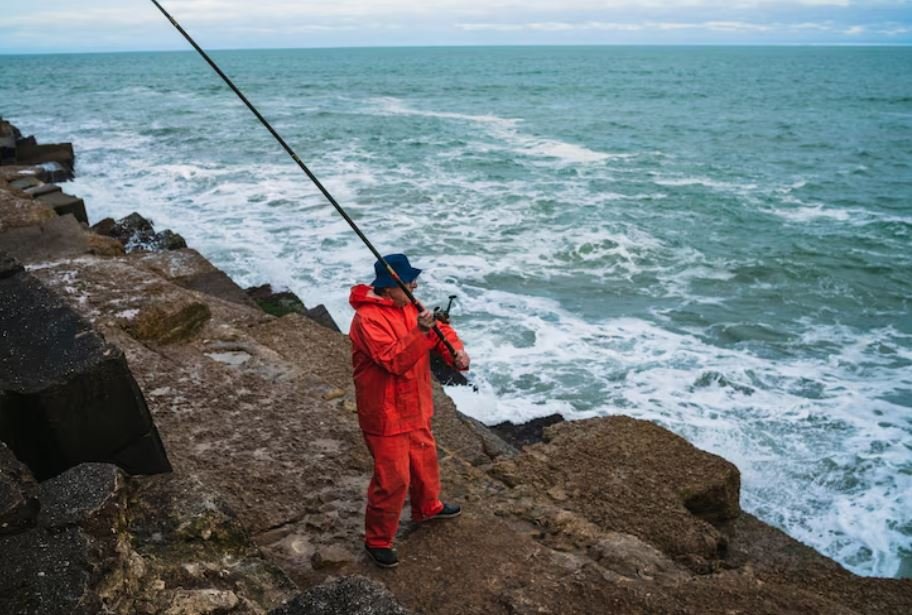
It’s important to keep in mind that the North Sea has been here before. Coastal communities in Scotland, Norway, and the Netherlands were devastated by the herring collapse of the 1970s. Fleets became smaller. Towns centered on the trade had to completely reimagine themselves. For stocks to partially recover, a complete ban that was implemented in several national waters was required, and it took about 20 years. They still haven’t reached their pre-collapse levels. The past is not very old. Some fishing families whose grandparents experienced it are still employed today.
The striking thing about the current state of affairs is how much that history seems to be repeating itself. This isn’t because the lessons weren’t learned, but rather because there hasn’t been consistent political will to put them into practice. In late 2025, the International Council for the Exploration of the Sea proposed a 70% reduction in mackerel catch limits and a zero catch limit for North Sea cod. These are not modest recommendations.
These are signals for emergencies. However, as Oceana UK reveals, catch limits in the UK have consistently surpassed scientific recommendations, and trawling—a technique that drags bulky nets across the ocean floor, upsetting the very habitat that young fish depend on for survival—continues to be funded with about £120 million in public funds.
Annual catch reviews and quota negotiations are irrelevant to seabirds. They simply react to what is at their disposal. In this way, the colonies on the cliffs serve as a kind of slow, biological ledger, documenting underwater events in a manner that policy documents hardly ever do. A kittiwake colony’s 40% decline over a ten-year period provides specific information about the food web. It’s another matter entirely whether anyone is paying enough attention to that message.
Although the window of opportunity to change this without causing long-term harm is closing, there is still time. The science is clear that recovery is possible, but it will take consistent enforcement, catch limits that genuinely follow the evidence, and a government prepared to put up with short-term economic hardship in exchange for long-term ecological stability. Quieter cliffs are an alternative. and more tranquil waters underneath them.
