


Every field photographer is familiar with this moment: half the group begins to pack up, the sky darkens, and the first drops hit the lens. The other half silently shifts and grabs a rain cover. The better photos are typically taken by that second group.
feathers wet from the rain. A fox covered in snowflakes. In the midst of an unexpected downpour, a cheetah shook its head as the water spread out in all directions. Clear days are not when these photos are taken. They occur when things become challenging and the majority of people have concluded that the session is over. For years, seasoned wildlife photographers have been aware of this. Avoiding bad weather is the challenge, not bad weather itself.
Gear protection is the first practical distinction between photographers who shoot in the rain and those who don’t. There are limits to even weather-sealed cameras. Although a lens hood can help prevent direct drops from striking the glass, it cannot sustain a session during prolonged, intense rain on its own. Even when the weather looks good, it’s still worthwhile to carry dedicated rain covers, which are made especially to fit a camera body and lens.
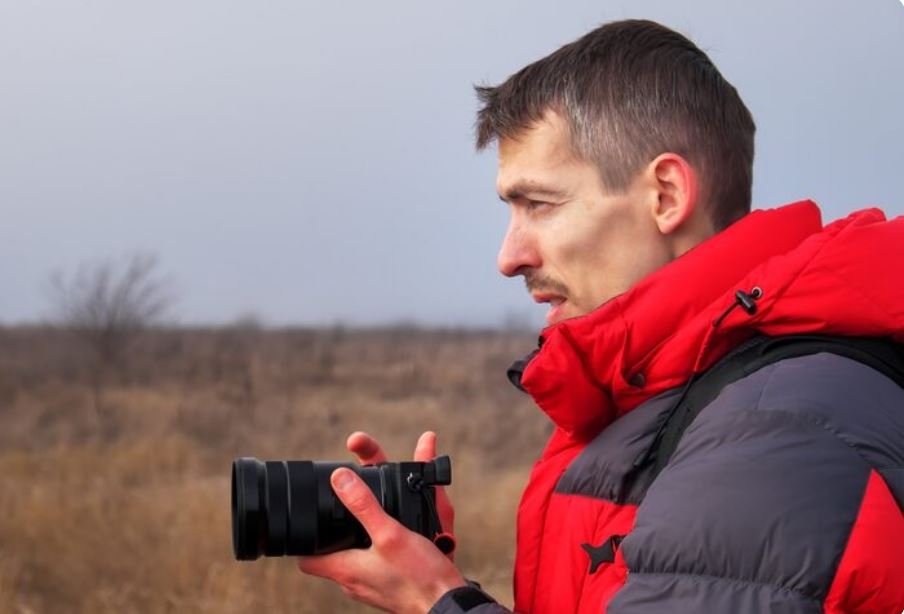
While some photographers prefer fitted neoprene sleeves, others swear by inexpensive transparent covers. In any case, the idea is to have a plan in place before the storm arrives. Equally crucial are a few microfiber cloths tucked into coat pockets. In between shots, clean the front element. After a while, it becomes automatic.
Rain exposure is really difficult, and even those who are aware of its impending arrival are caught off guard. In contrast to an open atmosphere, water in the air scatters and absorbs light in different ways. Scenes deteriorate more quickly than anticipated. Camera meters are often tricked into underexposing by fog, which frequently follows heavy rain. The meter reads the bright diffuse light and compensates downward, leaving everything muddy and gray. Fog shots can be brought back to life by dialing in a small amount of positive exposure compensation, typically between a third and a full stop, without losing the luminous quality that initially made the scene worthwhile.
In the rain, creative decisions really come into play when it comes to shutter speed. It’s one of those situations where you have to choose what you want to say and there isn’t a universal solution. A downpour becomes a field of suspended streaks when a fast shutter, somewhere above 1/1000th, freezes individual raindrops in the frame.
With a slower shutter, the rain is blurred into motion, creating an atmosphere and movement in the picture that more closely resembles what it is like to stand in the rain. Taking pictures of a large cat that has been soaked and is shaking water off its head? Each strategy operates in a different way. The physics of it are captured in the frozen version. The chaos is captured in the motion-blurred version.
The less glamorous issue that no one alerts novices to is autofocus. The majority of autofocus systems rely on contrast to lock onto a subject, which is diminished by rain, snow, and fog. When you need the camera to commit quickly, it begins hunting—searching, failing to settle, hunting again. When working in these conditions, wildlife photographers frequently switch from a wide zone to a single focus point, which reduces the amount of visual noise the system must filter out. In situations where there is so little contrast in the scene that autofocus completely fails, manual focus becomes truly helpful in dense fog. Although it is slower, it is effective.
You only truly understand the behavior aspect of this after working in the field for a while. A photographer’s experience of a downpour is different from that of an animal. Certain species become more active when there is cloud cover; predators, in particular, frequently hunt more easily when direct sunlight doesn’t reveal their whereabouts. When it rains, birds become motionless and frequently land on exposed perches to wait it out. This is actually helpful for close-up composition work. In some situations, rain causes animals to move more slowly, while in others, it makes them more predictable. Scenes like a heron standing motionless in a downpour on a grey lake or a fox nosing through puddles after rain require patience, but they are more likely to occur in inclement weather than in calm.
It took years to fully trust the practical wisdom that is built into this. A photography session is not ruined by bad weather. A photography session is ruined by waiting for ideal weather. It is rare to find a frame that truly captures what it was like to stand there, where the light, the animal, and the surroundings all come together to create an unforgettable experience. It occurs in the midst of the challenging hour, when the gear is holding on, the rain hasn’t stopped, and something is moving in the hazy distance. The shot is that.
