


Even after you’ve scrolled past a certain photo, it continues to stick in your mind. There was no face to be seen. No delicate skin or fabric texture. Even though it’s just a shape, such as a person standing in a doorway or a figure in motion against a fiery orange sky, you can still feel it more than ten times more technically detailed photographs. That durability isn’t coincidental. It is the outcome of a very conscious decision to withhold.
That decision is becoming more and more common among contemporary photographers and visual directors. Low-key lighting, classical chiaroscuro, or simply moody photography are some terms used to describe this trend. Regardless of the term, the underlying instinct is always the same: remove the fill light, allow darkness to occupy a portion of the frame, and rely on the shadow to convey meaning that full illumination just cannot.
The intriguing thing is how paradoxical this seems in a time when camera technology is constantly advancing and making it possible to capture every detail of a scene. Now, sensors are able to extract details from near-blackness. They have sharper lenses. With just one slider, post-processing tools can lift shadows and save highlights. However, serious photographers are choosing what not to reveal, purposefully keeping things dark, and allowing subjects to fade into silhouette.
In a recent description of his work in classical chiaroscuro lighting, Vancouver-based fine art portrait photographer Curtis Look expressed something similar. He pointed out that the method is about deep tones and rich textures combined with a modern sensibility, allowing details to come out of the shadows rather than overpowering them with light. The phrase “emerging from darkness, not being revealed by brightness” is worth pondering. It’s a completely different logic.
For decades, the fashion industry has been conducting this experiment, and the outcomes consistently support the strategy. Glen Luchford’s 1997 menswear campaign, which featured sculptural minimal light and deep shadows, looked ahead of its time and is still relevant today. The ESSENTIALS Spring 2023 collection by Fear of God heavily relied on subdued ambient light to shape clothing through shadow rather than exposure. In both situations, the darkness was an asset rather than a drawback.
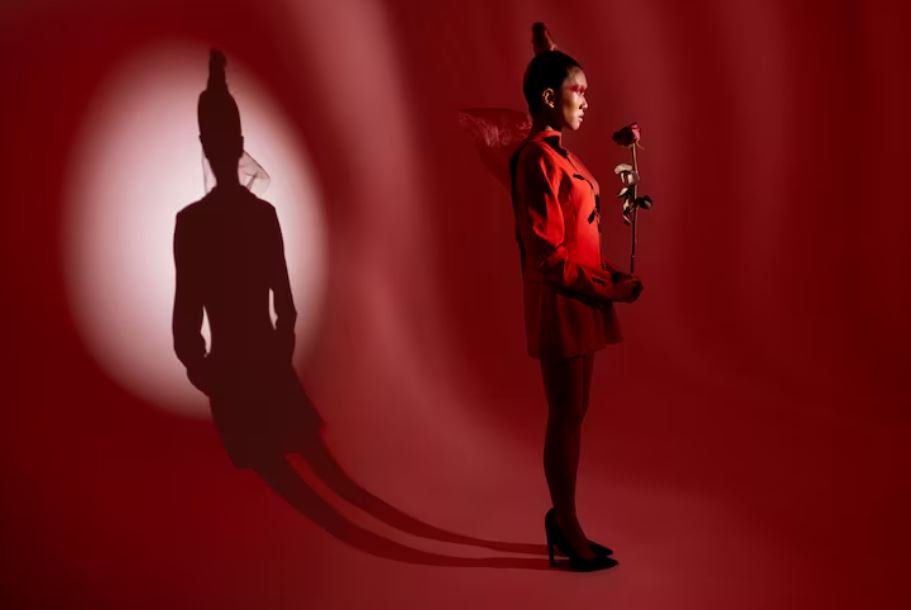
This works for a storytelling reason. The spectator is compelled to take part in silhouette photography. The eye shifts to shape and gesture when the face is hidden and texture is engulfed by darkness. an elevated arm. a head tilt. A shoulder’s curve against a bright sky. The remainder is filled in by the viewer using their own emotional reserves, so each person’s interpretation of the image is unique. In this sense, mystery is not an accident of exposure but rather a feature of the composition.
This instinct has been well documented by the 500px photography community in contest-winning work, where the phrase “stark light carving dynamic shapes through deep shadow” frequently appears as a description of attention-grabbing images. One editorial summary described the graphic contrast as “reduced clarity yet revealed essence.” This tension between clarity and essence could sum up the case for silhouette work in one sentence.
This could also be partially a cultural response. In the strictest sense, digital feeds have been overexposed for years. For a long time, social media platforms rewarded an aesthetic that was bright, high-key, flattering, and highly detailed. An image that omits details against that background feels startling in the best way. It draws attention by contrasting with brightness rather than competing with it.
As this develops in fashion, portraiture, and commercial photography, it becomes increasingly evident that the most deliberate photographers have always recognized something that the algorithms failed to recognize: that shadow is not the absence of narrative. The story frequently resides there.
