


Townsend’s warbler, Audubon’s oriole, Scott’s oriole, Bachman’s sparrow, Bewick’s wren are just a few of the names that appear in nearly every birding guide published before to 2023. Each name refers to a naturalist, collector, or patron of the 19th century who was honored by having a species associated with their name, typically by a contemporary who respected them or owed them a professional debt. In a time when educated white males from wealthy families were primarily interested in natural history, the procedure was commonplace and the birds themselves had no voice in the issue.
The movement for change has moved past discussion and into action. The American Ornithological Society declared that all North American bird species with prestigious personal names—roughly 70 to 80 species overall—would be renamed using descriptive substitutes that make reference to behavior, habitat, or appearance. Advocates refer to this as the “red-headed woodpecker model,” which is a term that provides information about the bird rather than the person who originally cataloged it.
When social justice demonstrations in 2020 brought long-term attention to institutional practices that had been ignored for decades, the movement really took off. Although the Bird Names for Birds campaign was already in place, it reached a far wider audience in that setting. Petitions were circulated. Internal conversations started among ornithological societies. Fundamentally, the argument was simple: many of the people honored by bird names held beliefs or engaged in actions that contemporary birding communities find troubling, such as slavery, racial science, or colonial extraction, and linking the names of living species to those individuals creates an unwarranted barrier for members of the communities those individuals harmed.
The counterargument, which isn’t limited to those who oppose change, is also worth considering. The choice to use universal renaming instead of assessing historical personalities on an individual basis is specifically opposed by several scientists and historians. A slaveholder, John James Audubon’s name can be found in numerous organizations, institutions, and animals. That has been proven and is not substantially contested. However, the identities of other individuals remembered by bird names are much less clear-cut, such as those whose historical records are more nuanced than damning or who are largely recognized for their contributions to science. Critics contend that a policy that treats all eponyms equally regardless of the evidence substitutes one type of negligence with another.
Although it receives less attention than the cultural argument, practicing scientists are concerned about the practical confusion caused by wholesale renaming. Literature on birds has been around for millennia. The old names are used in academic papers, field guides, museum records, and regional checklists. Every reference that utilizes the previous name becomes a minor navigation conundrum when a species’ official common name changes; it’s not insurmountable, but it’s also not easy, especially for researchers working across historical datasets. This has been accepted by the AOS, which maintains that the disruption is tolerable. When it comes to older records, scientists are not totally persuaded.
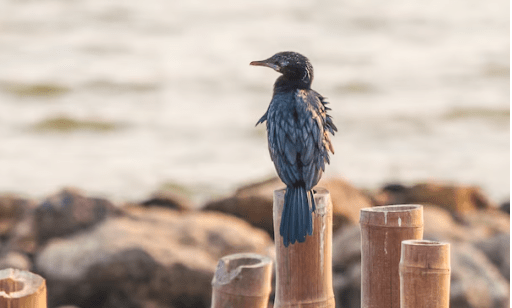
The idea that this argument is taking place in the particular field of birdwatching, which has long been associated with a kind, nonpartisan love of the natural world, is very intriguing. Generally speaking, people who use binoculars to spend their weekends in marshes are not seeking cultural conflict engagement. However, the naming controversy has hit firmly in that area, attracting individuals who have strong opinions on both sides and making what may appear to be a limited institutional concern much louder.
