


The mudflats of Iloilo contain a certain kind of irony. Due to a combination of ecological resilience and neglect, the ponds that were cut out of mangrove forests decades ago—often destroying coastal ecosystems in the process—have subtly changed into something no one could have predicted: resting and feeding grounds for wading birds that fly thousands of kilometers between continents. This was not created by anyone. No one set aside money for it. The way nature tends to fill gaps left by human failure, it just happened.
Shallow, brackish ponds that once supported shrimp and milkfish are now mostly empty along the coastlines of Iloilo province in the Philippines’ Western Visayas region. Here, aquaculture was incredibly profitable during its industrial heyday. Then disease pressures increased, margins shrank, and many operations became unaffordable. Owners left. Almost by coincidence, what they left behind—partially filled ponds, shattered dike walls, and water levels that varied with the tides—turned out to be near perfect shorebird habitat.
Why waders react so strongly to these degraded sites is still a mystery. The food is probably a part of it. Gobies, penaeid shrimp, portunid crabs, and mollusks were among the amazing variety of aquatic life that persisted inside abandoned and semi-active ponds, according to research on biodiversity in mangrove-derived aquaculture ponds in Dumangas, Iloilo. A low, consistent supply of invertebrates in the muddy substrate resulted from ponds that were never adequately sealed off from tidal movement and continued to receive natural seeding from the sea. That substrate is not an abandoned industrial site to a wader who has just flown across the South China Sea. It’s a larder.
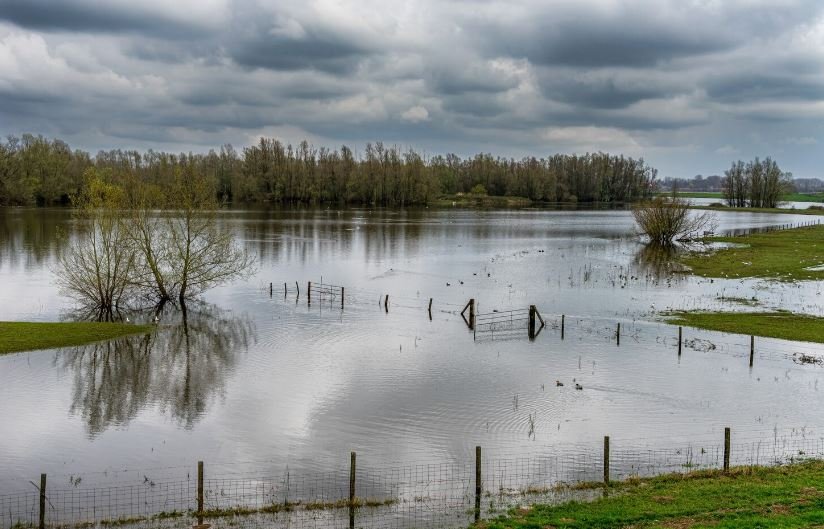
During the migration season, birds that breed as far north as Siberia and winter as far south as Australia arrive in Iloilo. One of the major bird migration routes in the world, the East Asian–Australasian Flyway, is traversed by dunlins, godwits, sandpipers, stilts, and plovers, all of which face increasingly challenging circumstances. Southeast Asia’s natural coastal wetlands have been developed, reclaimed, or drained. There are now longer distances between usable habitat for the birds that used to have dozens of suitable stopover locations along the coast. When a degraded fishpond has adequate invertebrate life in the mud and the proper water depth, it becomes disproportionately valuable because so little else remains.
A 10-hectare abandoned fishpond in Leganes was officially transformed into a biodiversity sanctuary with over 100,000 mangrove seedlings, demonstrating the potential of intentional restoration. The location is currently regarded as the premier coastal conservation initiative of the provincial government.
An increasing number of birds have been observed there. Fish populations have reappeared. Even those who worked on it are surprised by how full of life it is now after nine years of meticulous planting and care. The Leganes site is an exception, though. Despite receiving no official management, migratory birds continue to use the majority of the abandoned ponds along Iloilo’s coastline each season.
The conservation community seems to be just starting to consider the implications of this. Ecological debt—the destruction of mangrove forests, the loss of biodiversity, and the release of carbon—was the prevalent narrative surrounding abandoned aquaculture ponds for many years. Accounting is not incorrect. Reforested mangrove stands can approach the carbon storage capacity of natural forests within thirty years, according to studies estimating carbon stocks in rehabilitated fishponds in the Philippines. This finding bolsters the case for restoration. However, it’s also possible that the years or decades that a pond is idle, partially flooded, weedy, and erratic have their own ecological significance that hasn’t been adequately mapped.
One observes details that don’t neatly fit into either the recovery narrative or the doom narrative when observing how birds use these areas. A sandpiper at the edge of a collapsed dike wall, picking through the cracked mud, is not going through a crisis. It’s feeding. The surrounding pond is not immaculate. However, it is operating as something that migratory birds actually require in its flawed, uncontrolled manner. How many birds rely on these unofficial areas and what would happen to them if those areas were abruptly reclaimed for development or even formally restored to mangrove forest too quickly for the mudflat habitat to persist are important questions to ask, though it is genuinely unclear whether anyone in the Philippines is doing so systematically.
Conservation planners who like clear narratives may find the larger lesson here unsettling. Intention does not always translate into ecological value. Sometimes the most significant habitat in an area is the one that no one is celebrating, managing, or mapping.
