


The way this issue develops is almost ridiculous. In Cardiff, a dog owner routinely applies a tiny liquid applicator to the back of her pet’s neck for about thirty seconds. A few weeks later, scientists are collecting water samples from a local river and discovering pesticide concentrations high enough to endanger aquatic life. There is a tiny, imperceptible chain that links those two moments, and very few people are aware of it.
In the UK and throughout much of the world, treating fleas and ticks has become a common practice for pet owners. An estimated 23 million cats and dogs are kept as companions in Britain, where more than 3.5 million doses of spot-on treatments are sold annually. The product is a symbol of responsible care for the majority of owners. At first, it seems genuinely counterintuitive that it might also be an ecological issue.
However, recent studies have presented that argument in terms that are harder to ignore. In a French study that was published in Environmental Toxicology and Chemistry, 20 dogs and 20 cats were administered isoxazoline antiparasitic treatments. This oral class was first introduced in 2013 and gained popularity because a single dose could control ticks and fleas for a month. Researchers discovered that even after the official treatment window had passed, active ingredients from these medications could still be found in pet excrement. The issue is particular because this type of waste is consumed by insects that feed on dung, such as flies, dung beetles, and some species of butterflies. These insects ingest toxins that were never meant for them when that waste is chemically laced.
It is worthwhile to consider the true functions of dung beetles and related insects. They lack the charisma and photogenic appeal of a pollinator. However, in ways that subtly support larger ecological systems, including those that maintain the productivity of forests, they are truly essential to soil function, nutrient cycling, and pest control. At that level, a disruption does not suddenly become apparent. It builds up gradually over time, across populations, seasons, and food chains.
The history of the older class of treatments, topical spot-on products containing imidacloprid and fipronil, is somewhat better documented. Due to their proven detrimental effects on aquatic life and pollinators, both chemicals are prohibited from use in agriculture in the United Kingdom. They are still permitted for use with pets. These substances were detected in over 75% of water samples and at levels above safe thresholds in almost half of the urban sites in a three-year study of Welsh rivers that sampled 62 locations across nine waterways. Up to 500,000 properties in the UK may be impacted by the pathway that researchers found through a combination of dog swimming, pet washing, and—most importantly—misconnected sewers.
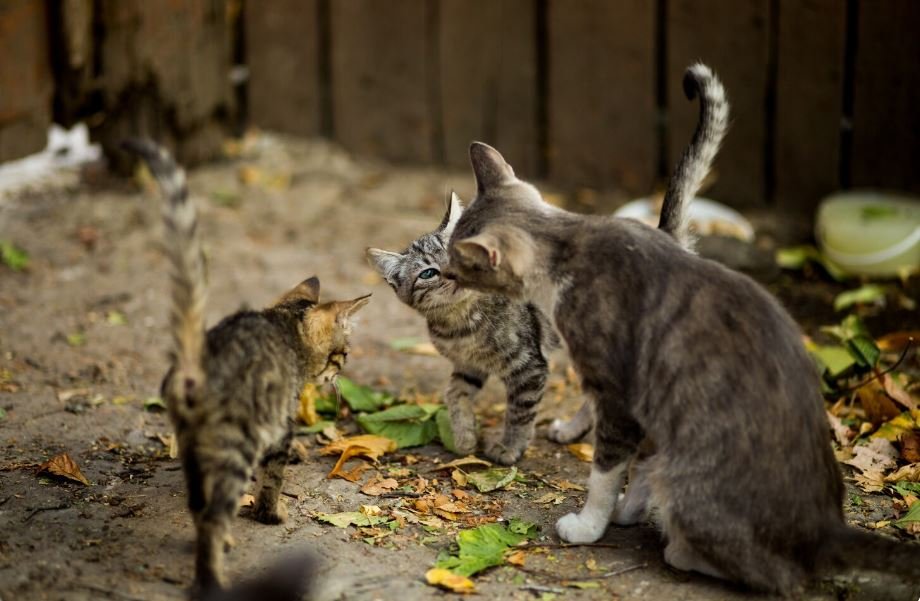
Dandelions in public parks were contaminated at levels that could harm pollinators and caterpillars, according to ecologist Matt Shardlow’s broader ecological assessment, which was reported by The Guardian in May 2026. Natural England has observed a 90% decrease in dragonfly populations in Norfolk’s Broads, where all major rivers that enter the national park contain detectable flea treatment residues. Researchers are not comfortable discounting the presence of these chemicals in protected sites at harmful concentrations, even though it is unclear whether flea treatments are the main cause of that decline because ecological systems are rarely that clean.
Scientists in this field believe that public awareness has been far behind the data. According to a survey, the majority of pet owners are unaware that flea treatments can damage aquatic life when pets swim or take baths. The products have comparatively little environmental labeling and are sold in supermarkets, veterinary offices, and online. According to Shardlow’s assessment, which was released this year, the UK government should go beyond its proposed consultation on over-the-counter sales because these products would still be widely accessible through pharmacies and veterinarians even if unsupervised retail sales were prohibited.
The fact that fleas and ticks are actual issues is what truly complicates this. They are uncomfortable and have the potential to infect humans and animals. Real veterinary value can be found in the treatments that manage them. When isoxazolines—cleaner, oral, monthly—were introduced, they were viewed as a significant advancement. That utility is not eliminated by the current environmental picture. It simply adds an expense that wasn’t factored into the initial computation.
There is a gap in the regulation, communication, and understanding of these products somewhere between the pet owner acting morally and the river beetle perishing downstream. Many nations are now gradually starting to take this gap into consideration.
