


Hearing an unidentified bird’s song gives you a certain kind of satisfaction. That’s how things have always been. However, for the majority of human history, recognizing that sound required carrying around a bulky field guide, squinting at fuzzy illustrations, and relying on your memory. Millions of people just take out their phones these days.
Once associated with retired professors in khaki vests standing in marshes at dawn, birdwatching has quietly emerged as one of the world’s most app-driven outdoor pursuits. Every year, hundreds of millions of bird observations are submitted to the Cornell Lab of Ornithology’s eBird platform by regular people on every continent. The same lab created Merlin Bird ID, which employs AI to recognize birds from photos or brief audio clips. It works almost exactly like Shazam, but for wildlife, as many observers have pointed out.
It’s worth stopping to consider how peculiar and genuinely fascinating this change is. It wasn’t because of a tech company that birdwatching became popular. It expanded as a result of the arrival of mobile hardware, machine learning, and community-building tools at about the same time that people, particularly younger people, began to seek out outdoor activities. Millions of people noticed birds in their backyards for the first time as a result of the pandemic, which significantly accelerated the process.
Through fundraising efforts and educational initiatives, conservation organizations have spent decades trying to accomplish what platforms like iNaturalist and eBird have done: they have given regular people the impression that their observations truly matter. And they do, which is why.
Research on biodiversity benefits directly from millions of data points submitted via these apps, which would otherwise require significant institutional resources to gather. Scientists receive a live, continuously updated map of the natural world, while users enjoy a fulfilling, game-like experience of discovery and record-keeping.
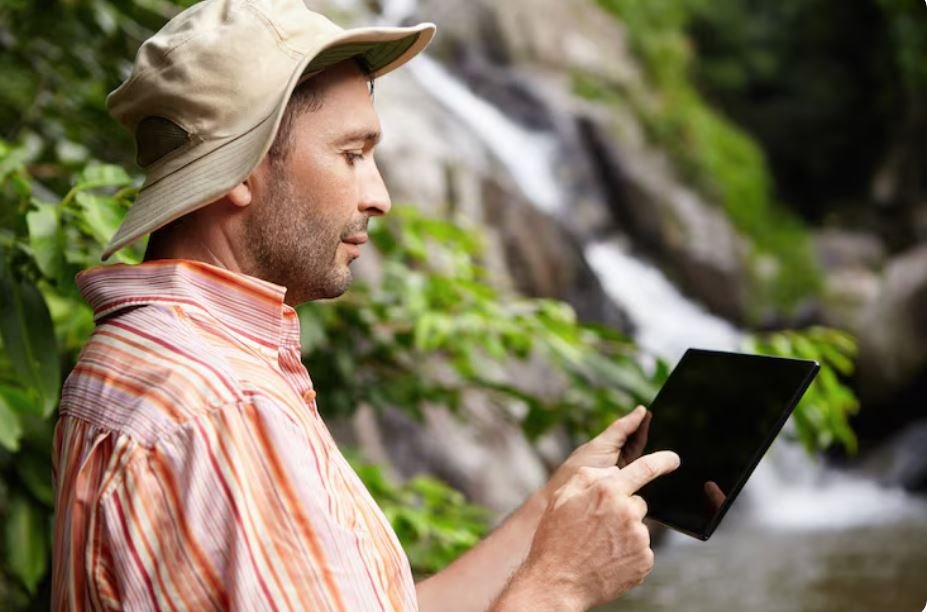
In certain instances, the gamification component is more intentional. An explicit competitive scoring system was incorporated into the design of the South African mobile app BirdLasser, allowing birders to compare their lists with others and earn points for uncommon sightings. Adam Dhalla, a teenager, came up with the idea for a 2D mobile game called Find the Birds. In this game, players complete conservation quests while exploring virtual landscapes and gathering bird species in a virtual field guide. Its educational goal is fairly simple: turn screen time into something akin to ecological literacy. It remains to be seen if the more natural appeal of apps like Merlin is superior to that type of direct gamification.
It’s more difficult to argue against the fact that the entry barrier has practically vanished. Word of a rare sighting spread via phone trees and handwritten postcards before WhatsApp groups and push notifications. Because they learned about a once-in-a-decade species a day too late, a birder in the 1980s might miss it. A location pin now drops in a matter of seconds. A level of participation that previous generations of ornithologists could not have predicted has resulted from the nearly complete reconstruction of the community infrastructure surrounding the hobby around mobile communication.
It should be noted that there is a legitimate reason to be skeptical of this. Some seasoned birdwatchers fear that the gamified, list-driven experience diminishes the true essence of birding, which includes patience, stillness, and the ability to sit still and let the world come to you. An app that can identify a bird in three seconds may also speed up the learning process that gives the final identification a sense of accomplishment. These are real conflicts, not merely purist grievances.
It’s difficult to ignore the fact that more people are becoming aware of this as it has developed over the last ten years. That is not insignificant. The outcome is the same whether a retiree in Arizona discovers eBird at a festival or a teen in Vancouver discovers birds through a game: one more person becoming aware of the living and flying things around them. That attention is more valuable than it may appear from a distance at a time when so many species are under actual stress.
