


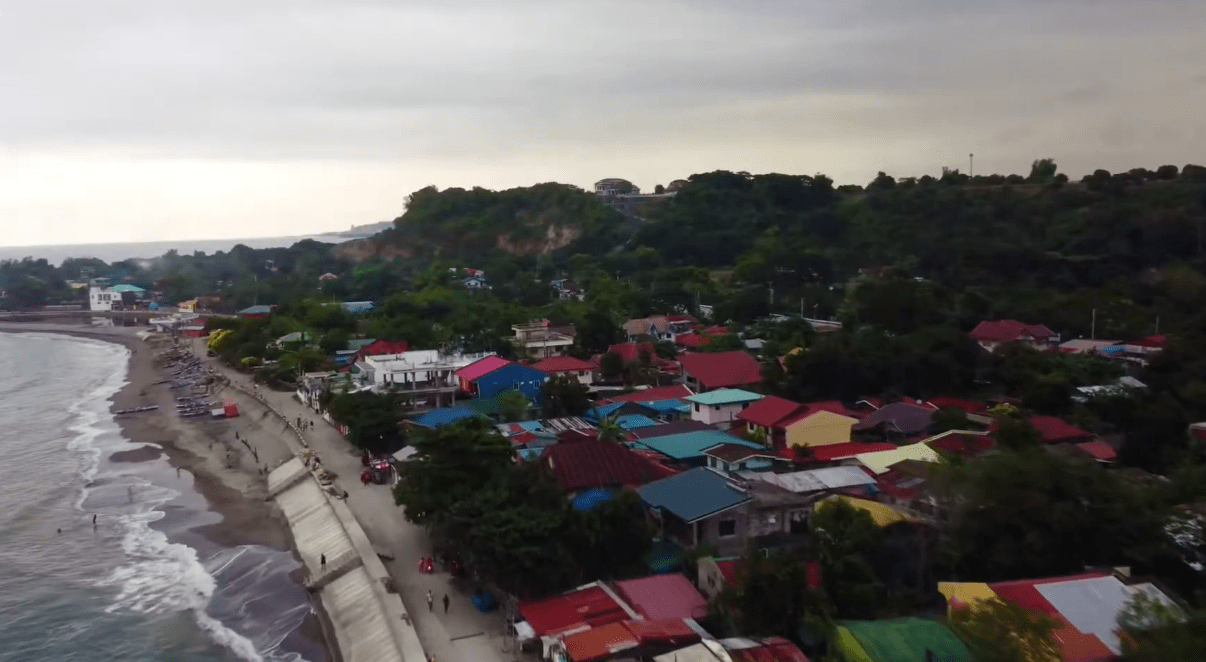
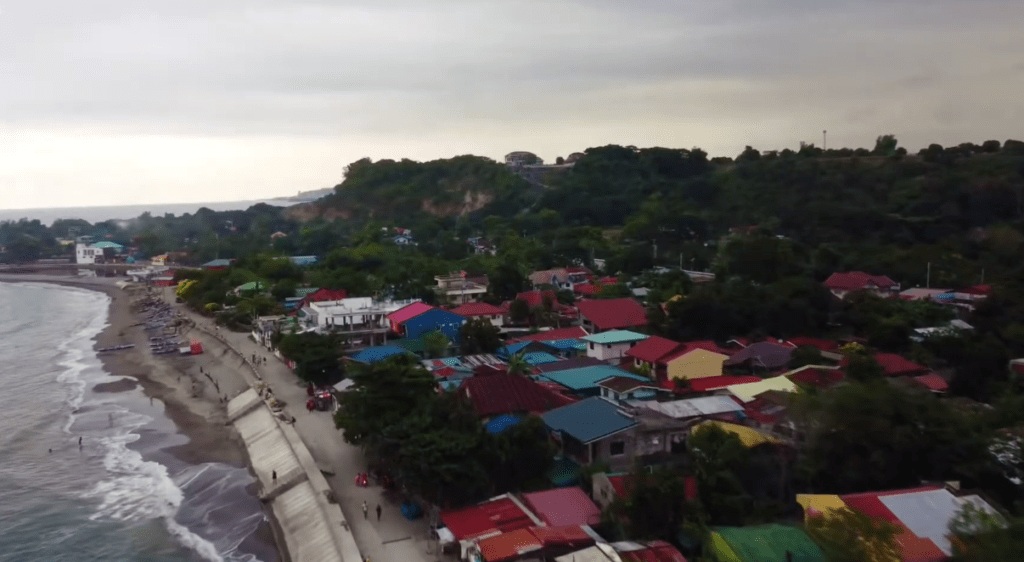
The name Taboc can be found in several places in the Philippines, including Borongan, which is in Eastern Samar; Opol, which is in Misamis Oriental; and Angat, which is in Bulacan. But most people who search for Brgy Taboc Philippines end up in one place: the barangay of Taboc in San Juan, La Union. This is a coastal town that is part of what is known as the “Surfing Capital of the Northern Philippines.”
San Juan, La Union has spent most of the last 20 years building a name for itself that goes beyond its small size. You can find Taboc in one of its barangays along the coast. This stretch of coastline is popular with surfers from Manila, other countries, and neighboring provinces who want to find consistent beach breaks in an area that still feels less developed than the resort towns further south. Part of the appeal of Taboc is that it is close to the water, with homes and guesthouses right on the beach. It doesn’t make a big deal out of itself, which is one reason why it keeps the laid-back vibe that areas with lots of resorts tend to lose over time.
The barangay hall is close to the Taboc Bridge and not far from the San Juan Police Station. The streets around a place known for surf culture and guesthouses are pretty normal. They are the kind of everyday infrastructure that keeps a community running without much fuss. The tourism industry seems to fit in with everyday life in the barangay rather than taking over, but it’s not clear how long that will last as more tourists visit the area.
In other parts of the country, there are barangays with the same name that are not on the coast. Taboc in Borongan, Eastern Samar is a completely different kind of community. It is about 16 meters above sea level on the island of Samar and had about 2,219 people living there in the 2020 census. It has a median age of about 27 and a workforce-age population that makes up about 64% of its residents. Its growth has been uneven over the years, with a drop in the early 2000s, a rise around 2007, and then a slight drop again by 2020. This is the kind of population curve that you see in places where people are constantly leaving for cities and better opportunities within those cities.
In its geographic code database, the Philippine Statistics Authority keeps track of 35 barangays that share the name Taboc. This shows how common some place names can be when a country is made up of more than 7,600 islands. This happens because of the geography of the area, the way names were used during colonization, and the roots of the native language. It’s possible that the name itself has meanings that make it useful in more than one place, but it’s harder than it seems to find a solid etymology.
When you think about Brgy Taboc in La Union, what stands out is the infrastructure that has grown up around it. A few kilometers to the northeast is Bacnotan. The provincial capital of La Union, San Fernando, is close enough to be useful for business and services. There is an International Business College about a kilometer north of the barangay hall. These quiet signs show that the community is part of a working provincial system and not a remote outpost, even though its reputation as a surf break can make it sound more alone than it really is.
Travelers often use Taboc in San Juan, La Union as both a destination and a waypoint. It’s a place to stay while exploring the wider surfing corridor, or it’s a quiet stretch to come back to after a day in the water. If you live there, it’s just home. Every barangay in the Philippines finds its own way to bridge the gap between how people talk about a place from the outside and how it works on the inside.
