


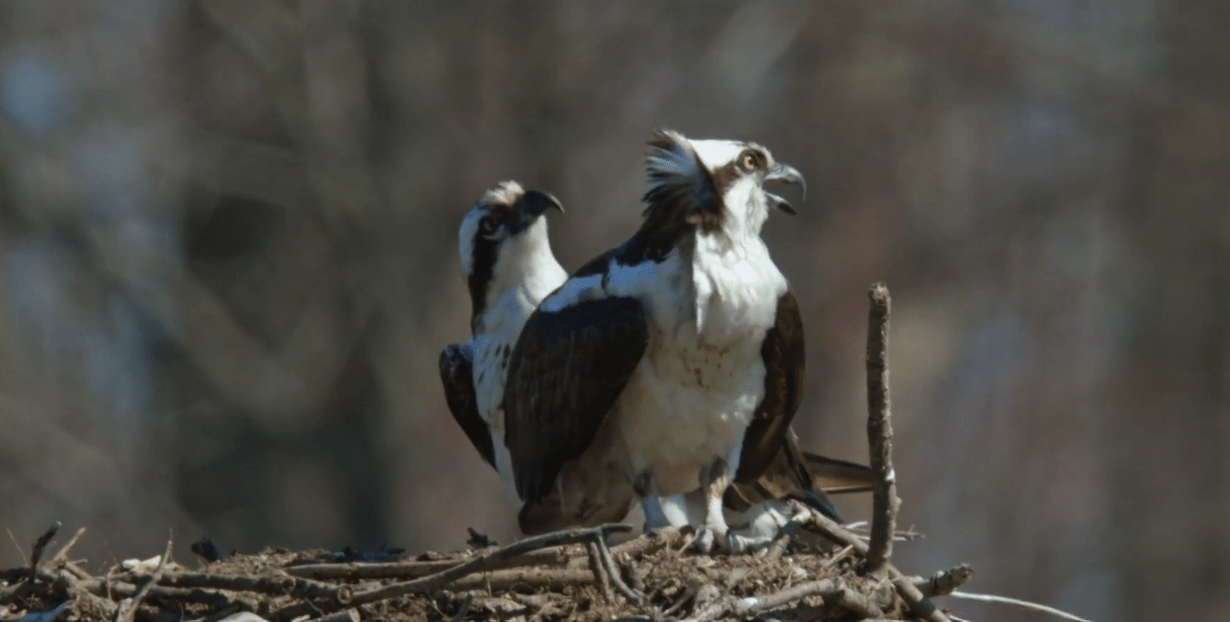
Birdwatchers develop a certain kind of patience over time. It’s that kind of patience that lets someone sit still at the edge of a lake for two hours and call it a day. Things that are big, pale, and moving quickly above the water often reward people who wait in the Philippines. If you’re lucky and picked a good spot, you should be able to see an osprey.
It’s not often that birders in the Philippines see an osprey. This fish-eating raptor is an uncommon to rare visitor that can be seen along coasts, estuaries, and river systems. It has also been seen over large inland reservoirs like the La Mesa Dam in Quezon City. It doesn’t breed in large numbers here. It goes through, sometimes stays for the winter, and then it’s gone again. Because of this, each sighting seems like a small event.
If the osprey isn’t very loud, it makes up for it with its show. It’s really hard to forget what it was like to watch one hunt. The bird goes up, stops, and hovers for a second or two. Then it drops into the water feet-first, wings raised above its body, with a force that sends spray everywhere. It goes down for a moment and then comes back up. Whenever it does, there are usually fish there. The osprey has two sets of toes that can move forward and backward. This lets it grab slippery prey in a way that most other raptors can’t. This bird has been around for a long time, and it shows.
The osprey can be seen from far away when it is in the air. Once you know what to look for, it’s hard to mistake for anything else. It has long wings, a clear bend at the wrist that makes a rough “M” shape, and is mostly white underneath with a dark brown stripe running through the eye. From far away, it might look like a white-bellied sea eagle, but the osprey is much smaller and holds its wings differently. Birdwatchers who have been to places like Sta. Cruz in Zambales have said that fish farms and brackish ponds in the area can attract a lot of people during migration season because farmed fish are easy to find there. This makes those places very good places to hunt.
The Philippine archipelago is home to two subspecies that are often seen there. The western osprey, which is the same species as the fish hawk or sea hawk and is found all over the world, is a seasonal migrant that usually stays here for the winter until April and then moves on. The eastern osprey, a subspecies that lives in Oceania, New Guinea, and Southeast Asia, also shows up, usually near the coast or in an estuary. Filipino bird watchers only care about the difference on a checklist; both birds fish the same way and look pretty much the same.
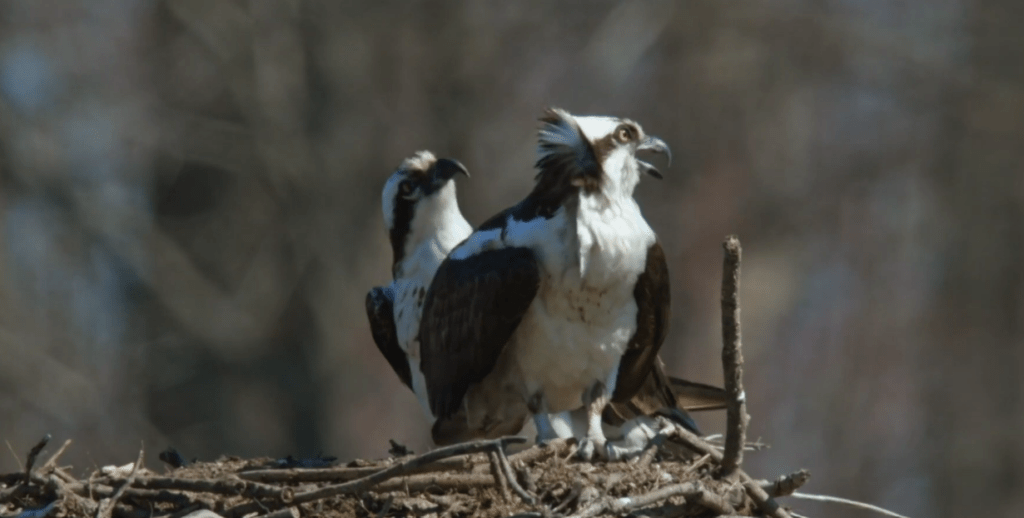
There’s something interesting about the places where ospreys often show up here. They mostly go to the Philippines as a vacation spot, not as a stronghold. In Australia, osprey populations are mostly stationary and have been using the same nesting areas for decades. In the Philippines, on the other hand, ospreys are either passing through or resting. That’s why the health of coastal fisheries, the clarity of river systems, and the number of unspoiled perches along migration corridors matter more than you might think. If you don’t mean to, a bird that only eats live fish can be a useful sign that a waterway is working.
Many people got their first close look at raptors in the wild thanks to Romy Ocon, a nature photographer from the Philippines. Ocon has taken pictures of ospreys in the Philippines, pictures that show how powerful the bird is physically in a way that checklists can’t. There’s a reason why pictures of ospreys are so popular among birdwatchers here. It’s an interesting animal. It also serves as a reminder that the Philippine coastline, which is made up of thousands of islands, still has enough untouched water to attract something so specific and specific in its needs.
It’s possible that Filipino birders will always think of the osprey as a seasonal visitor rather than a permanent resident. There is always one of them above a dam or estuary in the winter, though.
