


You can sense the difference as soon as you leave the pavement and enter a patch of trees when you stroll through any large city on a hot afternoon. The atmosphere changes. The sound becomes quieter. In contrast to the surrounding heat, the temperature drops in a way that seems almost noticeable. It’s not dramatic, but it’s real, and the difference between the baking concrete and the shaded green is subtly turning into one of the more important issues in urban planning today.
Cities are becoming warmer. That’s nothing new. The urgency with which planners, ecologists, and local governments are addressing the reality that traditional green space—the decorative lawn, the neglected park, the lone row of street trees—is no longer sufficient is what’s evolving. Urban biodiversity has been steadily declining for decades due to impermeable surfaces, fragmented habitats, and monoculture landscaping that appears neat but provides very little.
One phrase that frequently appears in discussions of urban ecology today is “ecologically functional.” It makes a clear distinction. For the insects, birds, or soil organisms that once flourished where a city now stands, an imported ornamental grass patch can be green without doing much for them.
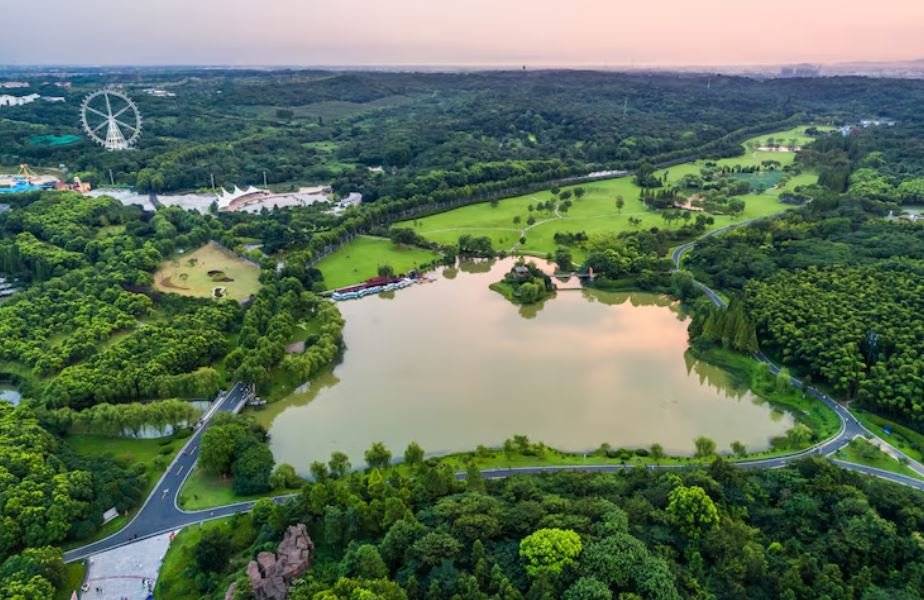
The claim that urban green space must function rather than merely exist is gaining traction. storm-absorbing rain gardens. runoff-filtering bioswales. native plants that provide pollinators with food. These are not radical concepts, but putting them into practice on a large scale is more difficult than it may seem, in part because cities have spent generations prioritizing maintenance costs and aesthetics over ecological output.
With good reason, Singapore is the most frequently cited example in this discussion. In addition to planting more than 500,000 trees as part of its City in Nature program, the city-state has gone above and beyond most by creating ecological corridors that connect parks and nature reserves, thereby providing wildlife with a path rather than discrete green spaces. Rainwater is collected and directed through more than two-thirds of the city. Although more cities are taking notice, most are far from reaching this level of integrated planning.
A smaller but significant illustration of the change in perspective can be found in London’s Grosvenor Square renovation, which is anticipated to be finished by summer 2026. Replanting is just one part of the plan. Wetlands, shaded gardens, wildflower patches, deadwood habitats, and what planners refer to as “bug hotels”—structures that offer invertebrates a place to nest and shelter—are all included. In contrast to how urban green space has traditionally been marketed to the public, the project’s language is purposefully ecological rather than aesthetically pleasing.
According to a 2022 survey, 85% of the 100 most populous cities in the US had already added water-retention features, managed the risk of woodland fires, restored coastal wetlands, and otherwise adapted parks for climate resilience. To control storm surges, St. Petersburg, Florida has even installed native shoreline grasses and oyster reefs. These are not artistic decisions. They are protective ones.
However, it seems that there is still a framing issue with urban rewilding. Green infrastructure’s potential is undervalued and the funding discussion is limited because many city governments view it primarily as a stormwater management tool. Supporting native plants, insects, birds, and soil ecosystems—all of which are essential to biodiversity—tends to be viewed as an afterthought rather than the main objective. Given the rate of urban growth, it’s still unclear if that will change quickly enough. Approximately 70% of the estimated 10 billion people on the planet are expected to reside in cities by 2050. The remaining green space will only be under more strain.
Research is increasingly demonstrating that the arrangement and layout of green space are just as important as their quantity. Urban tree canopies placed strategically can significantly lower local temperatures and have a cooling effect that extends well beyond their immediate surroundings. It has been demonstrated that gardens and parks have a cooling effect that extends more than three-quarters of a mile. In a world where urban heat events are becoming more common and dangerous, these figures are important, especially for the elderly, low-income communities, and the animals that coexist with us in these cities.
Moving from green space as an amenity to green space as infrastructure is a deeper shift that cities are being asked to make; it is more conceptual than technical. not ornamentation. not a supplement for recreation. a functional component of the urban system, just as vital as transit or drainage. Making this argument is becoming simpler. Finding the ongoing financial support and political will to carry it out is more difficult.
