


A local story about thirty-nine backyard birds in a small Philippine town testing positive for a highly pathogenic virus doesn’t last long. That’s essentially what happened when H5N1 avian influenza was discovered in a flock in Capalan, Oriental Mindoro, in early July 2026. Although the number of cases was small, the findings had far-reaching consequences. There is little room for error in a nation where millions of households raise chickens for a living rather than as a pastime. It has always been.
The Camarines Sur Breach, as it has come to be known in Philippine veterinary and agricultural circles, wasn’t limited to 2026. It’s a part of a longer, more intricate tale. The first case of the H5N9 bird flu strain in the nation was confirmed by the Bureau of Animal Industry back in May 2025 in Camaligan, Camarines Sur. After what officials called a quick containment effort, the province was deemed avian influenza-free by September of that year. In the management of poultry diseases in the Philippines, this kind of whiplash—outbreak, response, resolution, repeat—has practically become the norm. How many times the nation can absorb these cycles before one of them doesn’t end satisfactorily is a worthwhile question.
A comparatively small flock was involved in the July 2026 detection, which was verified by the World Organization for Animal Health (WOAH). The thirty-nine birds were all killed right away. The containment appeared textbook on paper. However, those thirty-nine birds are not actually the deeper issue. It concerns the thousands of similar backyard setups that exist throughout the archipelago, many of which function without regular surveillance, veterinary supervision, or any real distinction between domestic and wild birds. These viruses take advantage of this interface, which exists between the backyard and the wild.
Over the past few years, H5N1 has already shown that it can spread without large commercial farms on several continents. It locates tiny gaps. Poultry and migratory birds share a water trough. At the market, a neighbor’s flock ran into yours. A pair of boots that traveled from one yard to another without being cleaned. These are not speculative. In fact, this is how outbreaks have repeatedly begun throughout Asia. Despite its unique geography and scope, the Philippine situation follows a familiar pattern.
In nations like the Philippines, agricultural policy is characterized by a tension that is difficult to resolve. Strict biosecurity guidelines, such as daily cleaning, personal protective equipment, isolation procedures, and separation from wild birds, are recommended by organizations such as WOAH. The reality of a rural household trying to control expenses while raising a dozen chickens in a shared yard, frequently without access to a veterinarian nearby, is on the other side. Even though the national biosecurity guidelines are sincere, it’s possible that they were written with a different type of farmer in mind.
It’s not a pessimistic statement. It’s a useful one. Thirty-nine birds were culled, which may seem like a decisive response to an international disease report, but it also meant that a family that probably had no insurance against that kind of loss would lose their source of income and protein. Seldom do the economics of containment make headlines. The virus does.
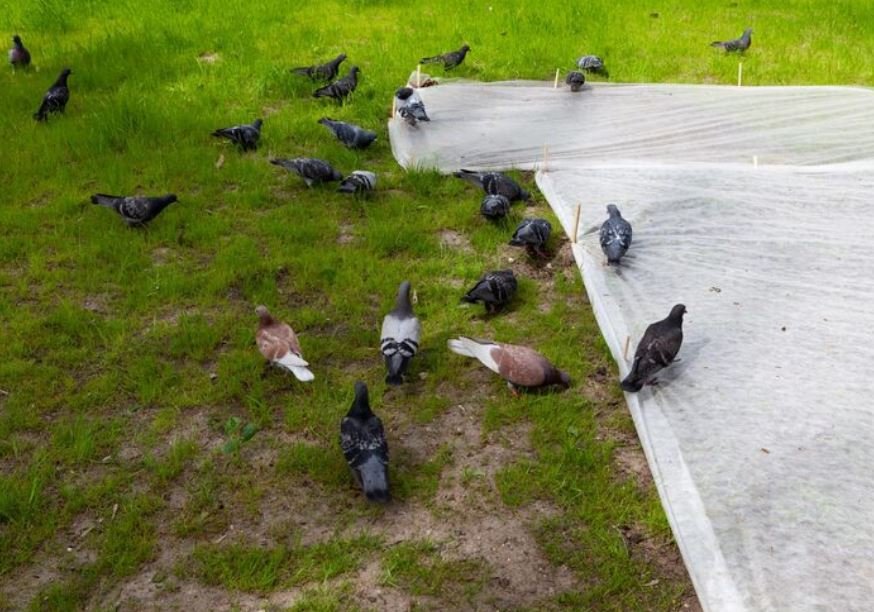
The Philippines has demonstrated the strength and strain of its response system through consecutive avian influenza outbreaks across various provinces and strains. It is truly remarkable how quickly authorities have moved to test, cull, and declare areas free of infection. However, quick action is just one aspect of the problem. Sustained prevention continues to be the more difficult and costly issue, especially in rural backyard settings. Most likely, it will always be.
It is important to note the WOAH’s role in this. The organization publishes updated biosecurity guidelines and coordinates international trade standards, which member countries are urged to incorporate into their own legal systems. However, there is sometimes a big difference between what local governments can actually enforce and what international bodies recommend. H5N1 continues to find space to travel through that gap.
As this develops, it seems as though the world has grown strangely accustomed to the notion of tiny, “contained” bird flu outbreaks. Thirty-nine birds were killed, the problem was fixed, and it was time to move on. However, every incident serves as a data point and a reminder of the virus’s continued proximity to human populations. The poultry industry in the Philippines, as well as the world at large, most likely cannot afford to allow that comfort to become too ingrained.
