


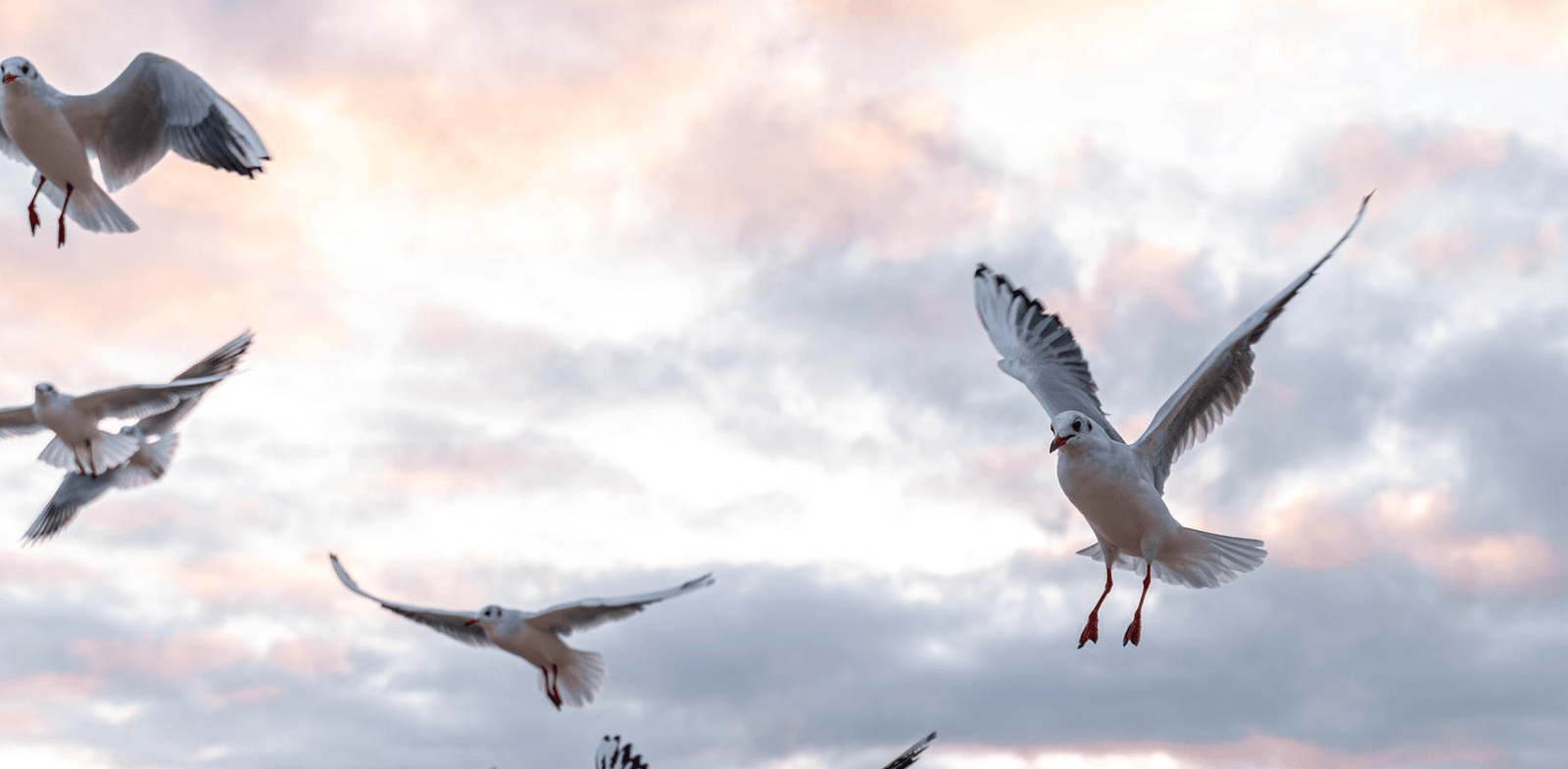
Stand outside somewhere quiet, away from the highway and the lights of a strip mall, on a clear night in late April. Then look up. It looks like nothing is going on. There is no wind. A few stars, maybe. There might be the sound of a nighthawk somewhere in the sky. A few hundred feet above you, millions of insects are moving north on wind currents that follow loose seasonal patterns. This is one of the biggest biological events on the continent, but you won’t see it or probably even think about it.
This is the part of migration that nature shows don’t show very often. People pay attention to the birds, like the warblers that fly through Central Park and the shorebirds that gather on the mudflats along the coast. There is, however, a layer of insects in the air that works mostly at night and can’t be seen. These insects support the birds in ways that are only now being properly measured. Radar studies have now given it real numbers, which are hard to understand at first. Researchers watched over southern England and found that about 3.5 trillion insects migrate every year. If you do that across all of North America, you might be looking at what some researchers have quietly called the most important annual movement of animals in terrestrial ecosystems.
The bugs in question are not just one dramatic species. Moths, midges, flies, hoverflies, ladybugs, and aphids—most of them very small and not very interesting on their own. But they don’t just move around. Larger insects, in particular, seem to check the direction of the wind before taking off, choosing currents that match their preferred compass bearing. It’s hard to believe that something that small can be so aware of its surroundings can be so good at finding its way around. But the radar data keeps showing that it’s true: it moves northwards in the spring and back south in the fall, always at the same time.
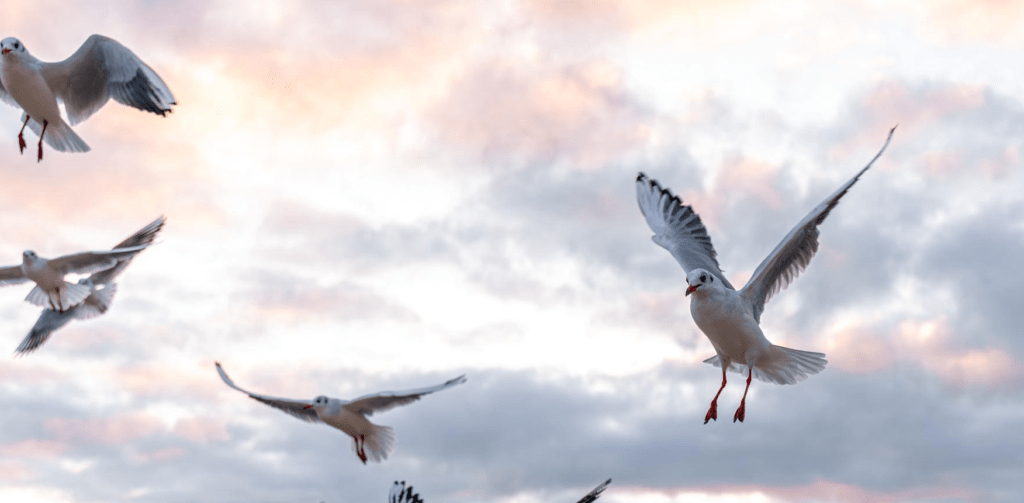
For birds that migrate at night, this resource has become very important. Small songbirds like warblers, thrushes, and vireos choose to fly at night because it’s easier for them to fly that way. After dark, the atmosphere settles into stable layers, and a bird that is burning fat can stay on course more efficiently and consistently than it could during the day when thermal turbulence is present. But there’s also the food source that’s been waiting up there all night. Birds that hunt insects from the air, like nighthawks and nightjars, are the clear winners because they can go straight for the insects. For the songbirds, the connection isn’t as direct, but it’s still real: the insects they eat on the ground are part of the same population cycles that keep the songbirds flying.
What’s harder to ignore these days is how much of this system is being pushed to its limits. A study from the University of Leeds in 2025 used repurposed weather radar data to look at more than 35,000 square kilometers of Britain. The study found that the overall number of nocturnal arthropods decreased during the study period, while the number of daytime insects stayed the same. Artificial light at night kept showing up in the data as a factor that made things more difficult. It was linked to less insect activity in ways that researchers are still trying to fully figure out. Light pollution changes the way insects move, throws moths off course, and limits the range of the nocturnal layer that birds need.
Some people think that conservation efforts have been too narrow for a long time after reading this study. To protect a species of songbird, you must also protect the places where it stops to rest. These rest stops are important for the insects that live there. You can’t separate the two things. A marsh full of warblers resting and a sky full of moths flying overhead are both parts of the same system. This system works at different speeds and heights, so no one observer can see everything at once.
It’s still not clear how the North American insect migration compares to what radar studies have shown in Europe. The infrastructure for monitoring is different, the area is much bigger, and the data is spread out more. But the Cornell Lab of Ornithology’s BirdCast project has shown that it is now possible to track the movements of birds at night in real time. The bugs might be the next ones to be mapped out, their declines measured, and their value finally accounted for the way it should have been all along.
