


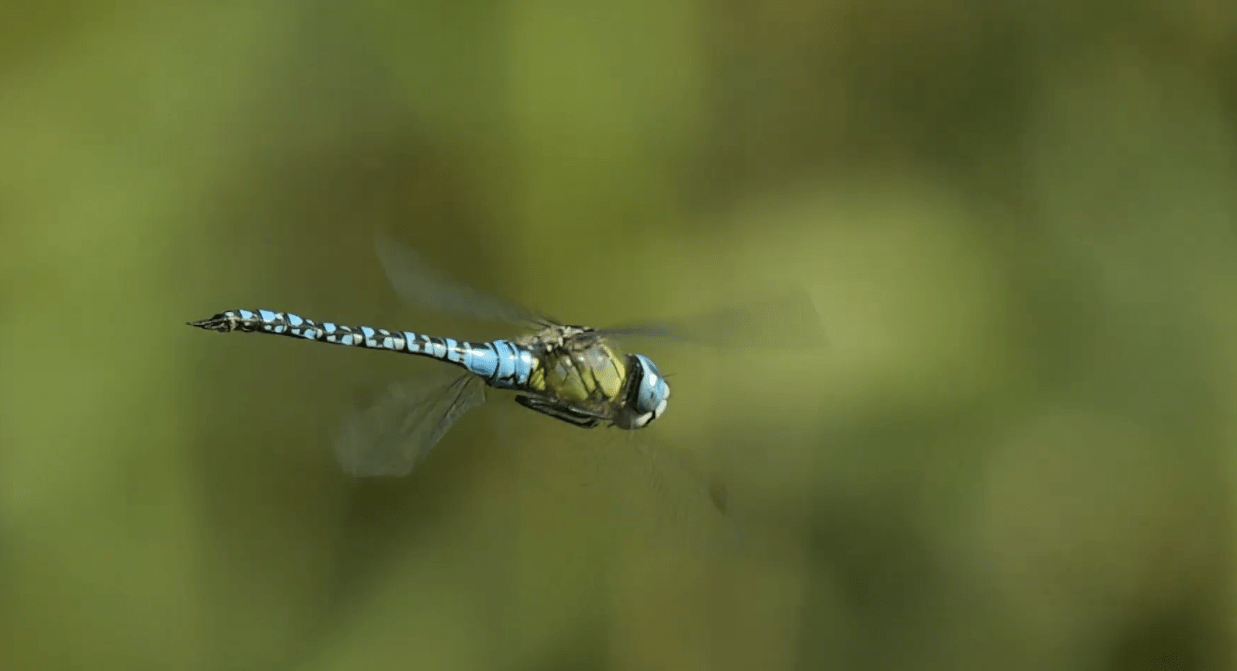
Between dawn and full sunrise, there’s a time when dragonflies are very cooperative. They are sitting on a reed stem with their wings flat and a thin layer of dew covering their bodies. It looks like they are posing. It’s the best chance most photographers will ever have to get a picture of these bugs. If you miss it, you’ll have to go after something that changes directions quickly and flies at speeds close to 50 kilometers per hour.
People with a surprising range of photography skills are interested in dragonfly photography, even though it might sound like a niche activity. Macro photographers love the little things, like the compound eyes, the veined wings, and the body parts that sparkle. Wildlife photographers come to capture birds in flight because it’s a challenge. Then there are ecologists and naturalists who take pictures of dragonflies, sometimes for scientific reasons and sometimes because the bugs keep calling their names near the edges of wetlands and rivers. Taking pictures of dragonflies usually requires the same level of skill, no matter why you want to do it.
The most important thing to know is not technical, but about how people act. Dragonflies are territorial, and animals that are territorial are handy because they can be counted on. Each time a male patrols a body of water, he will go along about the same path, stop at about the same spots, and come back to the same perch. If you watch for ten minutes before moving the camera, the shoot will be very different. Many times, all you need is thirty seconds to know where to point the lens before the dragonfly shows up to get a sharp frame.
The gear you use is important, but maybe not in the way that beginners think. A 100mm or 150mm macro lens works well for perched subjects because it gets close enough to see details and wide enough to work with tight plants. Someone with a 300mm to 400mm lens can get close enough to a moving subject without scaring them for flight shots. Most people don’t think they need to change the shutter speed. It takes at least 1/2000th of a second to freeze dragonfly wings in flight, and 1/3200th is better. In low light, you can’t always do that without raising the ISO more than you normally would, but the trade-off is usually worth it. Sharp blur is worse than a frame with some noise.
The aperture has more subtleties. In theory, shooting wide open (at f/2.8 or f/3.2) looks good, but dragonflies are long bugs. It’s possible for the eyes to be clear while the wings are fuzzy, or for the torso to be in focus but the tail to be out of focus. A setting between f/5.6 and f/8 tends to keep more of the insect in the same focal plane. This is especially true when the camera sensor is flat on the body instead of tilted.
This is where a lot of sessions fail before they even begin. Dragonflies can tell when you move and when light, pale clothing reflects UV light. You can get closer to more things if you wear darker, more muted colors and move slowly, pausing when an insect looks agitated and starting again when it calms down. Putting a shadow over the subject ends the conversation right away. There are species that are really hard to get. For example, even experienced photographers often get scared when they see a Brown Hawker. Others, like the bigger hawkers that hover over ditches and ponds, will sometimes stay in place long enough to let you fire a bunch of shots if you planned ahead of time.
It’s hard not to notice how much of this practice is just plain old patience spelled out in fancy language. You can learn how to use the settings in an afternoon. It takes seasons to do the fieldwork. It takes time to learn where to stand, when to wait, which species comes back to the same perch, and which species only gives you one chance. This knowledge is gained through wet boots, missed shots, and mornings when everything seems to be in place.
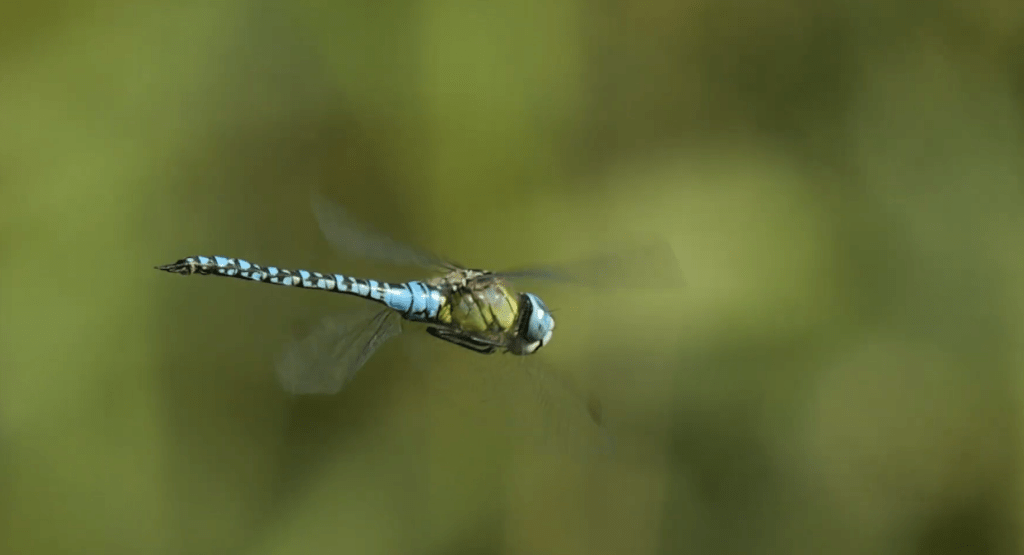
When the timing, the light, and the behavior all work out, the pictures that are taken tend to prove everything. There’s something special about a dragonfly caught in still air, its wings catching the early morning light as the background fades into soft color behind it. When it works, it doesn’t feel like a mistake. It seems like it’s due.
